The Role of a CAD Modeling Contractor in Architectural Projects
In the ever-evolving landscape of architecture and construction, the role of a CAD modeling contractor has become increasingly vital. As projects grow in complexity and the demand for precision escalates, the need for skilled professionals who can navigate the intricacies of Computer-Aided Design (CAD) emerges. This article explores the significance of CAD modeling within the architectural field, highlights the efficiency gains offered by these contractors, and provides insights into selecting and collaborating with the right professionals.
Understanding CAD Modeling and Its Importance
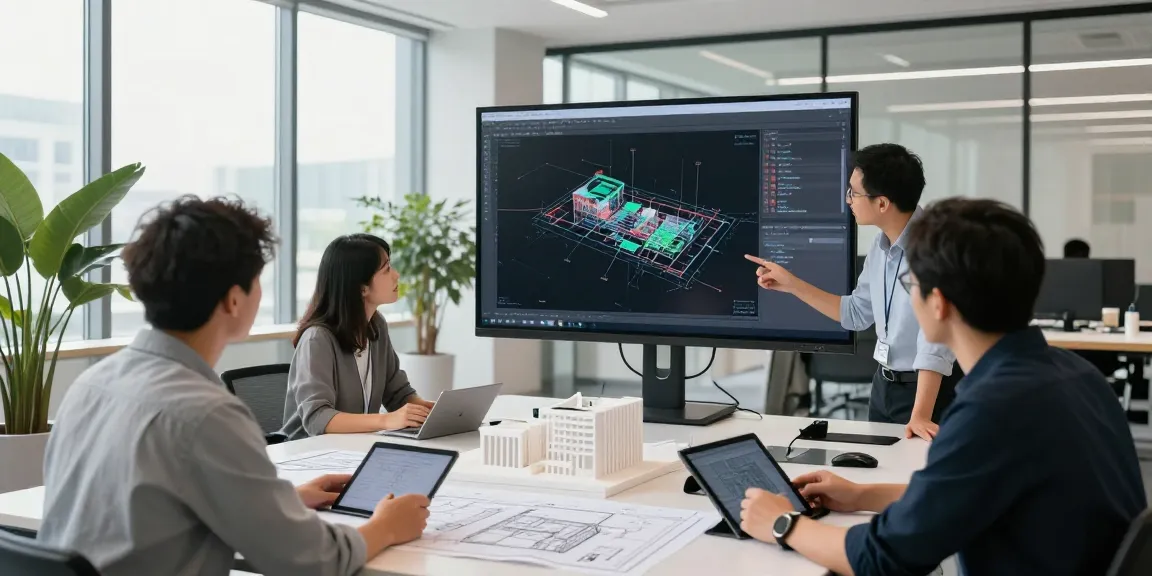
Computer-Aided Design (CAD) is an essential tool in architecture, enabling designers to create and manipulate precise drawings and models. CAD modeling transforms initial sketches into detailed, digital representations that facilitate visualization and planning. A proficient CAD modeling contractor ensures that these models not only reflect the aesthetic aspects of a design but also adhere to the structural and regulatory requirements necessary for successful project completion.
How CAD Modeling Contractors Enhance Design Efficiency
One of the primary advantages of employing a CAD modeling contractor is enhanced design efficiency. By utilizing advanced CAD software, these professionals can streamline workflows, reducing the turnaround time for project revisions and modifications. This efficiency is critical, especially when deadlines are tight and stakeholder feedback requires immediate incorporation into designs. Moreover, a skilled contractor can optimize the modeling process, helping architects and designers focus on creativity rather than getting bogged down by technical details.
Key Responsibilities of a CAD Modeling Contractor
The responsibilities of a CAD modeling contractor are diverse and crucial to the successful execution of architectural projects. Key duties include:
- Creating Detailed Models: Developing comprehensive 3D models that accurately depict designs, including structural, mechanical, and aesthetic elements.
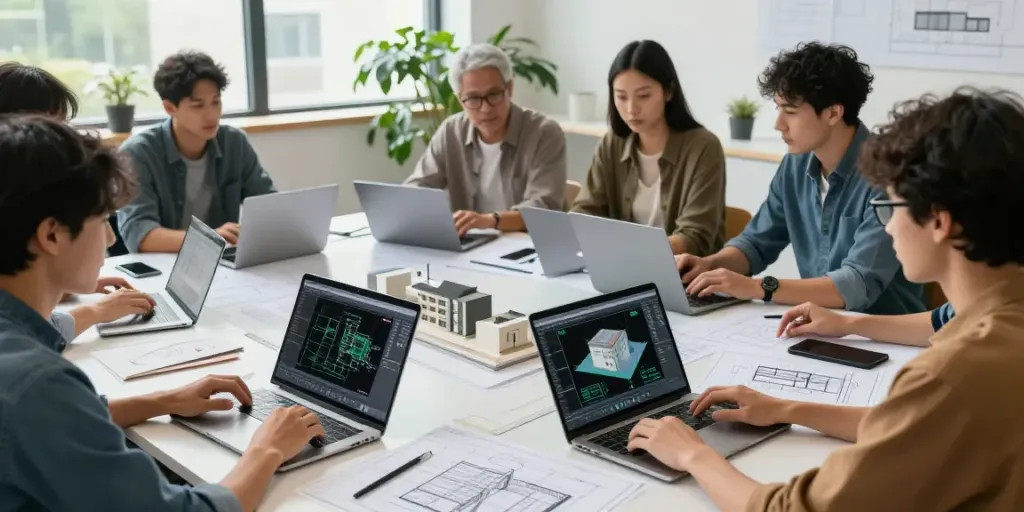
- Collaboration with Architects: Working closely with architects and engineers to understand project requirements and ensure alignment between the design vision and technical specifications.
- Quality Control: Conducting thorough reviews of models and drawings to identify and rectify errors before they impact the construction process.
- Software Proficiency: Utilizing industry-standard software like ArchiCAD and Revit effectively to produce quality outputs.
Choosing the Right CAD Modeling Contractor
Selecting the right CAD modeling contractor can significantly influence the success of your architectural project. It’s essential to consider several factors when making this critical decision. cad modeling contractor resources can provide comprehensive insights into the attributes to look for, ensuring you find the best fit for your project’s needs.
What to Look for in a CAD Modeling Contractor
When evaluating potential contractors, consider aspects such as:
- Experience and Specialization: Look for contractors with a proven track record in CAD modeling, particularly in your specific area of interest, whether residential, commercial, or specialized facilities.
- Software Expertise: Ensure the contractor is proficient in the software tools relevant to your project, such as ArchiCAD, Revit, and AutoCAD.
- Portfolio of Work: Reviewing previous projects can give valuable insights into the contractor's capabilities and design style.
Evaluating Experience and Expertise
Experience is a critical factor when selecting a CAD modeling contractor. A well-established contractor will possess not only technical skills but also an understanding of the nuances involved in architectural design and construction processes. Look for contractors who have worked on a variety of projects and who can demonstrate adaptability and problem-solving skills throughout different phases of construction.
Important Questions to Ask Potential Contractors
To ensure you're making an informed decision, ask potential contractors the following questions:
- What is your process for developing CAD models?
- How do you handle project revisions and feedback?
- Can you provide references from previous clients?
- What challenges have you faced in past projects, and how did you overcome them?
Best Practices for Collaborating with CAD Modeling Contractors
Successful collaboration with a CAD modeling contractor hinges on clear communication and effective project management. Implementing best practices can lead to a more streamlined process and higher quality outcomes.
Effective Communication Strategies
Establishing open lines of communication is fundamental to successful collaboration. Regular check-ins, updates, and feedback sessions can help ensure that the project stays on track and that all team members are aligned in their objectives. Utilize tools like project management software to facilitate ongoing dialogue and document progress.
Setting Clear Project Expectations
At the outset, it’s crucial to set clear expectations regarding project timelines, deliverables, and quality standards. Providing comprehensive project briefs and guidelines can help align the contractor’s work with your vision. This clarity will reduce misunderstandings and enable a smoother execution of the project.
Utilizing Technology for Collaboration
Incorporating technology tools like BIM software for sharing updates and visualizations can enhance collaboration between architects and CAD modeling contractors. These tools allow for real-time changes and enable all team members to visualize the project’s progression dynamically.
Common Challenges Faced by CAD Modeling Contractors
While CAD modeling contractors play an essential role in the architectural process, they also face several challenges that can affect project outcomes. Understanding these challenges can help mitigate issues before they arise.
Adapting to Changing Project Requirements
In architectural projects, requirements can often change due to shifting client needs, budget considerations, or regulatory updates. A qualified CAD modeling contractor must be adept at adapting their models quickly without compromising the quality of the output. This adaptability is key to maintaining project momentum.
Overcoming Technical Challenges in CAD Modeling
Complex projects may present technical challenges, from software limitations to integration issues with other design tools. A skilled contractor should possess the technical know-how to troubleshoot these challenges efficiently, ensuring project timelines are met.
Managing Time and Resources Effectively
Time management is a critical aspect of any CAD modeling project. Contractors must balance multiple projects while ensuring that they allocate adequate resources to each. Implementing effective time-tracking and resource management strategies can help them maintain productivity levels and meet deadlines.
Future Trends in CAD Modeling Services for 2026
The CAD modeling industry is poised for transformative changes as technological advancements continue to reshape architectural practices. Understanding these trends can provide valuable insights for both contractors and architects looking to stay ahead of the curve.
The Rise of AI and Automation in CAD Modeling
Artificial intelligence (AI) is increasingly influencing the CAD industry by automating repetitive tasks, enhancing design accuracy, and offering predictive analytics for project planning. CAD modeling contractors who embrace AI tools can significantly improve their workflow, allowing them to focus on creative problem-solving and innovation in design.
Emerging Technologies Shaping the Industry
Technologies like virtual reality (VR) and augmented reality (AR) are becoming more integrated into CAD modeling. These tools allow clients to experience designs in immersive environments, thereby gaining a better understanding of spatial relationships and design intent. Contractors who adapt to these technologies will provide enhanced service offerings that differentiate them in a competitive market.
Predictions for the Future of Architectural Design
As architectural design evolves, expect greater emphasis on sustainability and efficiency in CAD modeling. Contractors will need to be familiar with green building practices and how to integrate them into their models, addressing both client demands and regulatory requirements for environmental responsibility.
How Can CAD Modeling Contractors Stay Ahead?
To remain competitive, CAD modeling contractors should invest in continuous education and training related to emerging technologies and industry standards. Networking with other professionals and participating in industry seminars can also lead to new insights and opportunities for growth.