Understanding SHASHEL® Technology
In the world of pest control and wood treatment, innovation plays a crucial role in addressing increasingly complex challenges. One such innovation is the SHASHEL® technology, which has revolutionized the way we tackle wood-boring insects. With its unique microwave-based approach, SHASHEL® offers a safe, effective, and environmentally friendly solution for eliminating pests that compromise the integrity of wooden structures. When exploring options, SHASHEL® provides comprehensive insights into the benefits of this cutting-edge technology.
What is SHASHEL® and How Does It Work?
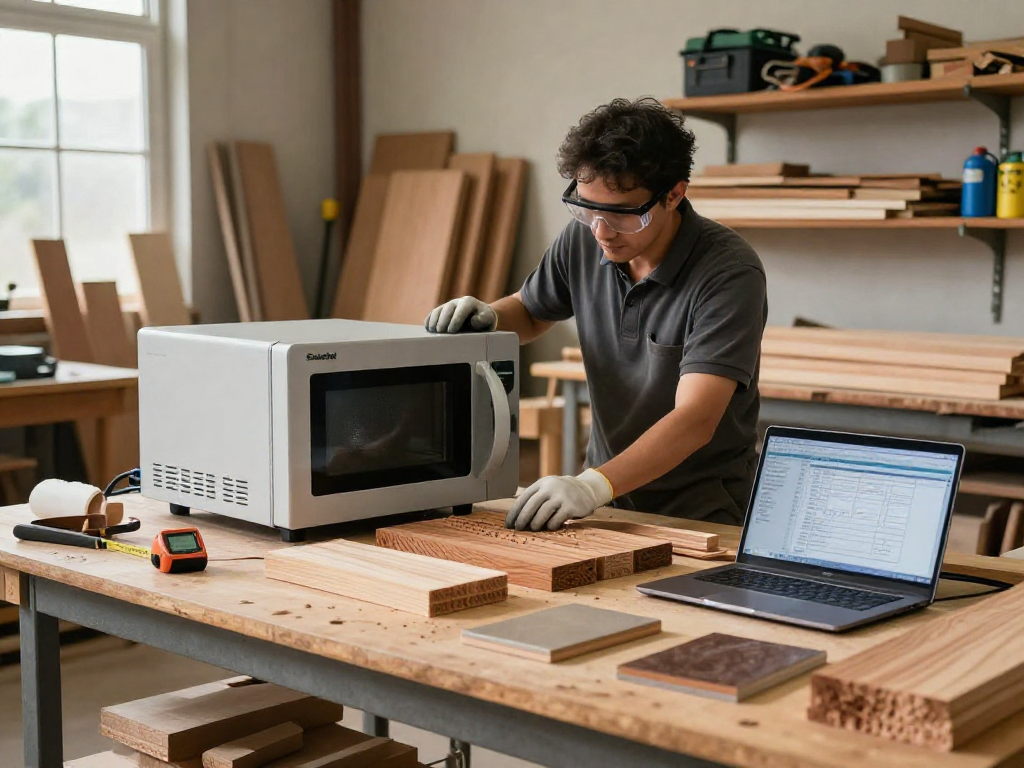
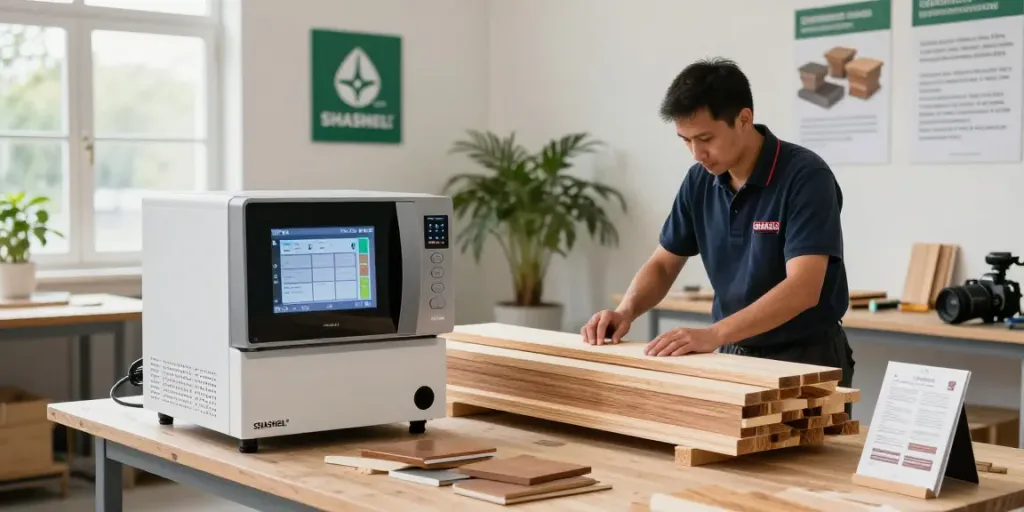
SHASHEL® is a state-of-the-art system that utilizes microwave energy to effectively eradicate wood-boring insects, such as woodworms, larvae, and eggs. Unlike conventional pest control methods that often rely on harmful chemicals, SHASHEL® harnesses the power of microwaves to generate heat within the wood itself. This method is not only rapid but also penetrative, ensuring that even the most hidden pests are eliminated swiftly.
The technology works by heating the infested wood to temperatures that are lethal to wood-boring insects while maintaining the structural integrity of the material. The system is designed to be user-friendly, allowing operators to set parameters easily and monitor progress throughout the treatment process.
Benefits of Using SHASHEL® Equipment for Wood Treatment
Utilizing SHASHEL® technology comes with a plethora of advantages that make it stand out from traditional pest control methods. Some of the key benefits include:
- Speed: Treatment can be completed in just a few minutes, a significant improvement over conventional methods that can take days or even weeks.
- Effectiveness: The microwave's ability to penetrate deep into the wood ensures that all life stages of pests are targeted effectively.
- Simplicity: The intuitive design makes the equipment easy to operate, even for individuals without prior experience in pest control.
- Environmentally Friendly: The process does not involve the use of harsh chemicals, making it safer for both people and pets.
Comparing SHASHEL® with Traditional Methods
When juxtaposed with traditional pest control methods, SHASHEL® demonstrates significant advantages. Traditional methods may involve treating infested wood with pesticides which can have long-term detrimental effects on health and the environment. These methods often require multiple applications and can leave residues that are harmful over time.
In contrast, SHASHEL® provides a non-toxic alternative that is not only effective but promotes a healthier living environment. Additionally, the precision of microwave technology means there is less risk of collateral damage to surrounding areas, making it a more controlled approach to pest management.
Common SHASHEL® Equipment Issues
Identifying Common Problems with SHASHEL® Devices
While SHASHEL® equipment is designed for durability and user-friendliness, some common issues may arise during operation. Identifying these issues early can help prevent extended downtimes and ensure consistent pest control. Common problems include:
- Inconsistent Heating: This may be due to improper calibration or a malfunctioning component.
- Power Supply Issues: Ensure the device is connected to a stable power source to avoid interruptions.
- Equipment Overheating: Regular maintenance and check-ups can help mitigate this risk.
Symptoms of Ineffective Wood Treatment
It is essential to monitor the effectiveness of the SHASHEL® treatment. Symptoms indicating ineffective treatment include:
- Visible signs of pest activity after treatment.
- Increased wood damage post-treatment.
- Unexplained changes in wood moisture levels.
Frequently Overlooked Maintenance Needs
Regular maintenance is crucial to ensure the longevity of SHASHEL® equipment. Commonly overlooked maintenance activities include:
- Checking and cleaning the microwave chamber regularly.
- Inspecting seals and gaskets for wear and tear.
- Calibrating the system to ensure accurate functioning.
Expert Solutions to SHASHEL® Issues
Step-by-Step Troubleshooting for Equipment Malfunctions
When encountering issues with SHASHEL® devices, a systematic approach to troubleshooting can help resolve problems efficiently. Here’s a step-by-step guide:
- Power Check: Confirm that the power source is functioning properly and connections are secure.
- Diagnostic Tests: Run built-in diagnostics, if available, to identify any specific faults.
- Consult the Manual: Reference the user manual for troubleshooting tips specific to your model.
Best Practices for Routine Maintenance
To keep your SHASHEL® equipment performing optimally, follow these best practices:
- Schedule regular inspections and maintenance checks every few months.
- Keep the equipment clean and free from dust and debris.
- Document any repairs or maintenance work performed to track its condition over time.
When to Seek Professional Help
If troubleshooting does not resolve the issues or if you encounter complex problems, it may be time to seek professional assistance. Signs that you need expert help include:
- Persistent error messages that cannot be cleared.
- Unusual noises or malfunctions during operation.
- Noticeable wear beyond normal usage patterns.
Maximizing the Benefits of SHASHEL®
Integrating SHASHEL® into Your Woodworking Process
For those in the woodworking industry, integrating SHASHEL® technology can streamline operations and enhance product quality. Consider the following tips:
- Utilize SHASHEL® as a standard treatment step in your production process to ensure all wood is pest-free.
- Train staff on the benefits and operation of SHASHEL® equipment to maximize its efficacy.
- Experiment with different treatment times and settings to find optimal conditions for various wood types.
Case Studies: Successful Wood Treatment with SHASHEL®
Numerous case studies have demonstrated the effectiveness of SHASHEL® in various settings. For example, one furniture manufacturer reported a significant reduction in pest-related damage by incorporating SHASHEL® treatment into their production line, resulting in both increased production efficiency and customer satisfaction.
Future Trends in Pest Control Technology for Wood Treatment
As technology continues to evolve, we can expect advancements in pest control methods, including even more sophisticated applications of microwave technology. These innovations may include:
- Improved energy efficiency for eco-friendly operations.
- Smart technology integration for real-time monitoring and diagnostics.
- Expanded applications beyond wood treatment to other materials, aiding industries such as textiles and packaging.
Frequently Asked Questions
How long does it take to eliminate wood-boring insects with SHASHEL®?
The SHASHEL® system typically eliminates wood-boring insects within minutes, depending on the severity of the infestation and the wood type.
Can SHASHEL® equipment be used for other materials?
While SHASHEL® is primarily designed for wood treatment, ongoing research is examining its potential applications for other materials.
What safety precautions should I take when using SHASHEL®?
Always follow the manufacturer’s guidelines, use personal protective equipment (PPE), and ensure proper ventilation during operation to maintain safety.
How do I know when my SHASHEL® device needs maintenance?
Regularly check for performance issues, unusual sounds, or any error messages to determine if maintenance is needed.
Are there any chemicals involved in the SHASHEL® process?
No, SHASHEL® operates solely on microwave technology, making it a completely chemical-free method for pest control.