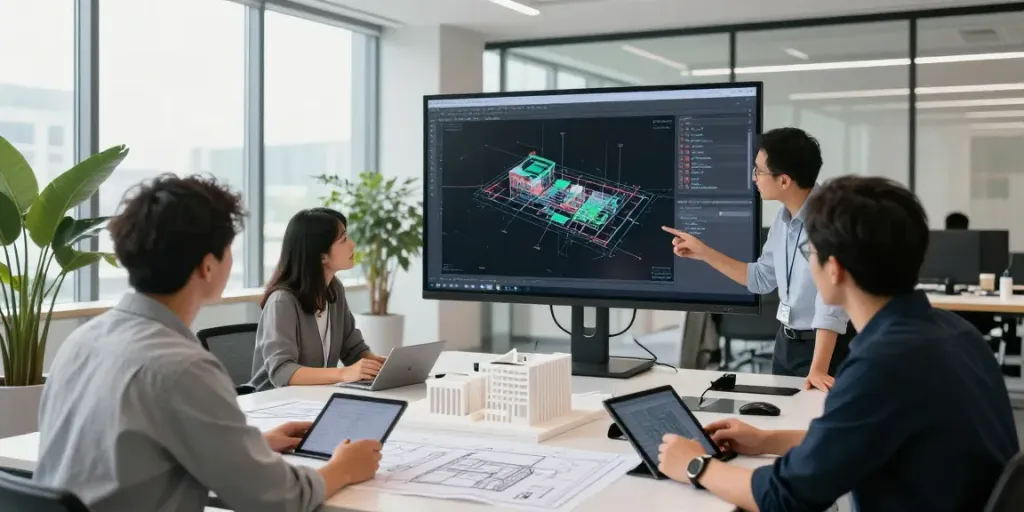
Understanding BIM Services and Their Importance
Building Information Modeling (BIM) services are revolutionizing the architecture, engineering, and construction (AEC) industries by enhancing project accuracy, improving workflows, and fostering collaboration among stakeholders. As we advance towards 2026, the integration of these innovative services is becoming increasingly crucial for project success. To navigate the complex landscape of BIM, organizations must understand its significance, benefits, and potential challenges.
When exploring options, BIM services provide comprehensive insights that help businesses adopt the right technologies and processes.
What Are BIM Services?
BIM services refer to the digital representation of physical and functional characteristics of a facility. This model serves as a shared knowledge resource for information about the facility, forming a reliable basis for decisions during its life cycle, from inception onward. BIM encompasses several processes, including 3D modeling, simulation, and analysis, which aid in the management of construction and maintenance projects.
Key Benefits of Using BIM in Projects
- Enhanced Collaboration: BIM fosters a collaborative environment, allowing architects, engineers, and contractors to work together effectively. This reduces miscommunication and helps identify potential issues early in the design phase.
- Improved Productivity: By utilizing BIM, teams can automate many tasks, reducing time spent on manual processes and thereby increasing productivity.
- Cost Efficiency: BIM helps in better cost estimation and budgeting. Accurate models can lead to fewer change orders and unexpected costs during construction.
- Data-Driven Decisions: BIM generates extensive data that can inform strategic decisions throughout the project lifecycle.
- Sustainability: BIM facilitates better analysis and planning to optimize energy efficiency and minimize waste.
Common Misconceptions About BIM
Despite its advantages, several misconceptions about BIM continue to circulate. For instance, some believe that BIM is solely about 3D modeling. However, it encompasses much more, including project management, lifecycle analyses, and sustainable practices. Another common myth is that BIM is only beneficial for large-scale projects. In reality, smaller projects can also gain significant advantages from implementing BIM services.
Essential Tools for Effective BIM Services
Top BIM Software Options for 2026
The software landscape for BIM is constantly evolving with new tools designed to streamline workflows. Some of the top BIM software options that are expected to dominate in 2026 include:
- Autodesk Revit: A widely used software for creating intelligent 3D models that support multidisciplinary collaboration.
- Graphisoft ARCHICAD: Known for its user-friendly interface and robust capabilities for architects, this software focuses on design and documentation.
- Navisworks: Excellent for project review, this tool allows for integrated model coordination and clash detection.
- Tekla Structures: A favorite among engineers and contractors for its detailed structural modeling and visualization capabilities.
How to Choose the Right BIM Tools for Your Needs
Selecting the right BIM tools can have a profound impact on the success of your BIM implementation. Here are some factors to consider:
- Project Requirements: Identify the specific needs of your project. Does it require extensive modeling, clash detection, or facility management capabilities?
- Integration with Existing Systems: Ensure compatibility with other tools and software already in use within your organization.
- User Proficiency: Assess the skill level of your team. Some software may require extensive training and expertise; choose a solution that aligns with your team's capabilities.
- Budget Considerations: Evaluate your budget for software acquisition and training against the potential ROI that BIM can provide.
Integrating BIM with Other Technologies
As technology continues to advance, integrating BIM with other emerging technologies is becoming essential. Some notable integrations include:
- Virtual Reality (VR): Enhancing visualization and client engagement by allowing stakeholders to experience the project before it is built.
- Augmented Reality (AR): Providing real-time information overlays to improve onsite decision-making.
- IoT Devices: Utilizing IoT data to inform BIM processes will lead to smarter and more efficient buildings.
Implementing BIM Services: Best Practices
Step-by-Step Guide to Starting with BIM
- Assess Needs: Determine the key objectives and requirements for incorporating BIM into your projects.
- Training: Provide necessary training for your team to ensure they are well-versed in BIM technologies and methodologies.
- Set Up Infrastructure: Establish the required software, hardware, and protocols to support BIM processes.
- Start Small: Pilot BIM on a small project to understand the workflow and identify potential challenges.
- Review and Adapt: Continuously assess the BIM implementation and adjust processes based on feedback and outcomes.
Common Challenges When Implementing BIM
Implementing BIM comes with its challenges, including resistance to change, high upfront costs, and the need for comprehensive training. Moreover, the complexity of BIM software can be daunting for teams accustomed to traditional methods. Addressing these challenges through strategic planning and adequate training is crucial for successful adoption.
Real-World Case Studies of Successful BIM Projects
Successful implementation of BIM can be seen in various case studies around the world. For instance, the renovation of the San Francisco International Airport utilized BIM to streamline project coordination across multiple stakeholders, resulting in reduced costs and increased efficiency. Another example is the Wilshire Grand Center in Los Angeles, where BIM was instrumental in managing complex construction processes and ensuring timely project delivery.
Future Trends in BIM Services
Emerging Technologies Shaping the Future of BIM
The future of BIM is being shaped by several emerging technologies, including artificial intelligence (AI), machine learning, and blockchain. AI can enhance project management by predicting potential risks and optimizing schedules. Machine learning algorithms can analyze vast amounts of data to provide insights that improve decision-making. Meanwhile, blockchain can facilitate secure data sharing and collaboration among project stakeholders.
How to Prepare for Changes in the BIM Landscape
Preparing for changes in the BIM landscape requires organizations to remain agile and adaptable. This includes investing in ongoing training and education for staff, staying informed about technological advancements, and fostering a culture of innovation within the organization. Collaborating with technology providers and other industry stakeholders can also enhance preparedness for future shifts.
Predictions for BIM Services in 2026 and Beyond
By 2026, BIM services are likely to become even more integrated with other technologies, resulting in smarter buildings and more efficient project delivery methods. Increased standardization of BIM processes will facilitate collaboration across the industry, while the application of AI and machine learning will significantly enhance project insights and outcomes. As sustainability continues to be a priority, expect BIM to play a significant role in addressing environmental challenges through better resource management and waste reduction.
Frequently Asked Questions About BIM Services
What Are the Costs Associated with BIM Services?
The costs associated with BIM services can vary widely depending on the scale and complexity of the project, as well as the software tools chosen for implementation. Typically, these costs include software licensing fees, training expenses, and potential consulting fees for specialized BIM expertise.
How Does BIM Improve Collaboration in Projects?
BIM enhances collaboration by providing a centralized platform where all project stakeholders can access real-time information and updates. This transparency reduces misunderstandings and encourages proactive communication, ultimately leading to a more cohesive project execution.
What Skill Sets Are Needed for BIM Professionals?
BIM professionals need a blend of technical and soft skills. Key competencies include proficiency in BIM software, understanding of construction processes, project management abilities, and effective communication skills to collaborate with various stakeholders.
How Is BIM Services Different from Traditional Design Methods?
Unlike traditional design methods that often rely on 2D drawings and separate workflows, BIM provides a 3D digital representation of the project, integrating various aspects of design, construction, and operation into a single model. This holistic approach leads to improved accuracy, efficiency, and collaboration.
What Are the Latest Innovations in BIM Technology?
Recent innovations in BIM technology include advancements in cloud-based solutions, enabling greater accessibility and collaboration. Furthermore, the integration of AI for predictive analytics and the incorporation of virtual reality for immersive project visualization are shaping the future of BIM practices.