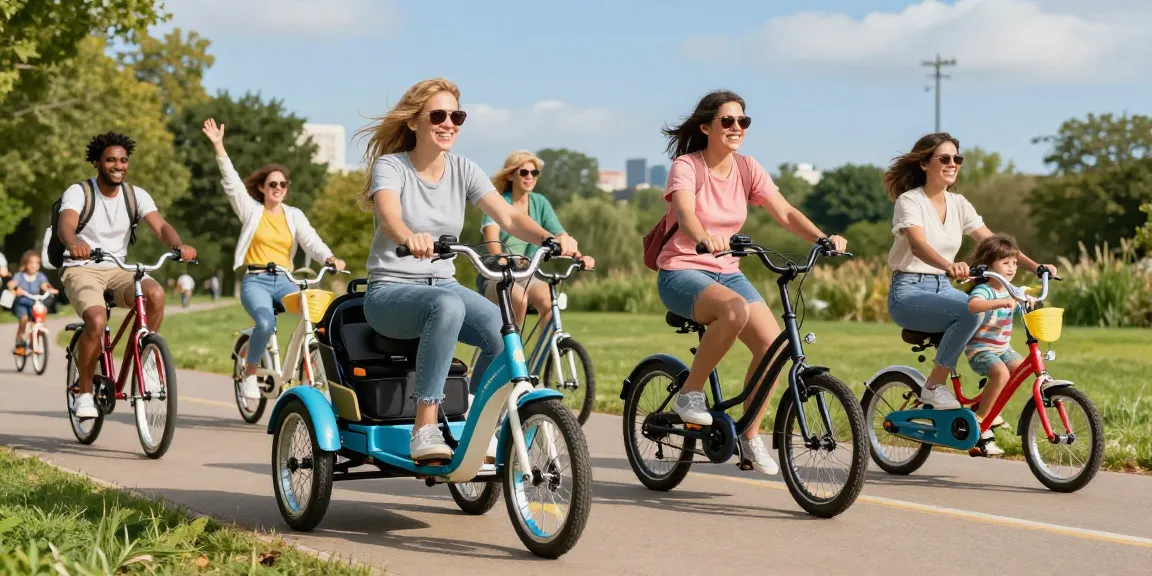
Understanding Tricycles: Types and Features
Tricycles are versatile three-wheeled vehicles that cater to a wide range of riders, from children learning balance to adults seeking a comfortable and stable mode of transport. These innovative vehicles have evolved significantly, offering various features tailored to different needs. Understanding the types of tricycles available can help you make an informed decision when considering your next purchase. In this exploration of tricycles, tricycles emerge as a promising solution for recreational and practical use, catering to both young and older riders.
What are Tricycles and How Do They Work?
Tricycles, often referred to as trikes, feature a distinct three-wheel configuration that provides enhanced stability and balance compared to traditional bicycles. They are designed with a variety of uses in mind, from leisurely rides to everyday commuting. The basic functionality of a tricycle involves the use of pedals (for traditional models) or an electric motor (for e-trikes) to propel the vehicle forward.
There are several key components that define the operation of tricycles:
- Frame: Typically made from materials like steel or aluminum, the frame defines the tricycle’s durability and weight.
- Wheels: Tricycles usually have two large rear wheels and one front wheel for stability.
- Transmission: Many models include gear systems that allow for different speed settings, especially useful in hilly terrains.
- Braking System: Safety features such as electric cut-off brakes in electric models ensure secure stopping.
Advantages of Using Electric Tricycles
Electric tricycles, or e-trikes, have revolutionized the tricycle market by providing an effortless cycling experience. Some of the primary advantages include:
- Assisted Pedaling: These models come equipped with a motor that aids in pedaling, reducing the physical effort required, making them perfect for those with limited mobility.
- Range and Speed: Most electric tricycles can travel long distances on a single charge, with speeds that can accommodate urban commuting needs.
- Eco-Friendly Transit: By using electricity, these tricycles offer a greener alternative to traditional vehicle transport.
Comparing Adult and Kids Tricycles
The market for tricycles is diverse, with options catering specifically to adults and children. Adult tricycles are generally built for longevity and include features like higher weight capacities, more complex gear systems, and enhanced comfort designs. In contrast, kids’ tricycles focus on safety and ease of use, often featuring simpler designs and bright colors to engage young riders. Additionally, children’s models prioritize stability, incorporating wider bases and hand brakes easily accessible for small hands.
Selecting the Right Tricycle for Your Needs
Choosing the ideal tricycle involves understanding your unique riding style and needs. Whether for leisure, commuting, or exercise, each type of tricycle serves different purposes.
Assessing Your Riding Style and Requirements
Before purchasing, consider how and where you intend to use your tricycle. For urban commuting, an electric tricycle may be more beneficial due to its speed and range, while a more traditional model may suffice for leisurely neighborhood rides. Think about factors such as:
- Frequency of use
- Terrain type (hilly vs. flat)
- Distance traveled regularly
- Storage needs
Evaluating Features: What to Look For in a Tricycle
When selecting a tricycle, some essential features to consider include:
- Weight Capacity: Ensure the tricycle can accommodate the rider’s weight.
- Frame Material: Look for lightweight yet durable materials like aluminum.
- Wheel Size: Larger wheels can provide better stability, especially on uneven surfaces.
- Braking System: Disc brakes may offer superior stopping power compared to traditional brakes.
Budgeting for Your Tricycle Purchase
Set a budget before exploring options, allowing for flexibility to include essential accessories. Remember that while initial costs matter, the durability and maintenance of the tricycle are also crucial factors affecting the long-term investment. Aim to balance quality with cost to ensure you get a tricycle that meets your needs without breaking the bank.
Maintenance and Care for Tricycles
Proper maintenance is vital to ensure the longevity and safety of your tricycle. Regular upkeep not only prolongs the life of the vehicle but also enhances the riding experience.
Essential Maintenance Tips for Longevity
To maintain your tricycle effectively, follow these tips:
- Regular Cleaning: Keep the frame and components clean to prevent rust and wear.
- Tire Pressure: Check and maintain proper tire pressure for optimal performance.
- Brake Checks: Regularly inspect brakes for wear and replace them as needed.
- Lubrication: Apply lubricant to moving parts to reduce friction and wear.
Common Issues and How to Troubleshoot Them
Tricycles may encounter various common issues, including:
- Flat Tires: Ensure you know how to patch a tire or replace it when necessary.
- Brake Failure: Regularly check brake responsiveness and adjust if necessary.
- Electrical Components (for e-trikes): Keep an eye on battery health and wiring issues. Troubleshoot by reviewing the user manual or consulting a professional if problems arise.
Seasonal Care: Preparing Your Tricycle for Different Conditions
Seasonal changes can affect your tricycle’s performance. Preparing your tricycle for winter involves cleaning and lubricating components, while summer may require tire checks more frequently due to heat. Always store your tricycle in a dry, sheltered area to prevent weather-related damage.
Where to Buy Tricycles: Best Options
Deciding where to purchase a tricycle can significantly impact your shopping experience. Understanding your options will help you select the retailer that offers the best combination of price, quality, and customer service.
Online versus Local Retailers: Pros and Cons
Online shopping provides convenience and often lower prices. However, local retailers allow you to test ride before purchasing and offer immediate service. Weigh the benefits of both to determine the best fit for your needs.
Considerations for International Shipping
When ordering a tricycle online, consider the shipping policies and costs. Many retailers, like those providing tricycles, offer international shipping but may charge differently based on location, weight, and delivery speed.
Promotions and Discounts: Finding the Best Deal
Keep an eye out for seasonal promotions or discounts when shopping for a tricycle. Signing up for newsletters can alert you to upcoming sales, ensuring you get the best deal possible.
Future Trends in Tricycles: What to Expect by 2026
The tricycle market is poised for exciting developments over the next few years, driven by consumer demand and technological advancements.
Innovations in Electric Tricycle Technology
Anticipate improvements in battery technology, likely leading to longer ranges and faster charging times. Enhanced integration of smart technology, such as GPS tracking and app connectivity for performance monitoring, will also become more common.
Tricycle Design Trends and Consumer Preferences
Consumers increasingly prefer customizable options, allowing for personalized colors and accessories. Lightweight materials and foldable designs will continue to gain popularity for ease of transport and storage.
Legislation and Safety Standards for Tricycles
As tricycles become more popular, expect updates to legislation regarding their usage on roads. Future regulations may focus on safety features and compliance standards to protect riders.
What are the health benefits of riding tricycles?
Tricycles promote physical activity without the strain of traditional bicycles, making them an excellent choice for cardiovascular exercise, improving balance, and enhancing coordination.
Can electric tricycles be used legally on roads?
Yes, electric tricycles are road legal in many areas if they comply with specific regulations, including motor size and speed capabilities.
How do I choose the right size of tricycle?
Choosing the correct size typically involves checking the manufacturer’s sizing guide, which considers height and weight to ensure proper comfort and control.
What accessories are available for tricycles?
Many tricycle accessories enhance the riding experience, including baskets, lights, safety flags, and weather shields, offering versatility for both practical use and fun.
Are tricycles suitable for all ages?
Indeed, tricycles are designed for a broad age range. Children’s models cater to toddlers and pre-teens, while adult models accommodate varying sizes and needs, promoting cycling for all ages.