Understanding Facial Age Estimation Technology
In today’s digital age, the quest for youthfulness has evolved beyond skincare regimens and makeup tutorials to a more intriguing frontier: technology. The phrase “how old do i look” has increasingly become a popular search term, reflecting a broader fascination with age estimation tools powered by artificial intelligence (AI). These tools employ complex algorithms to analyze facial features and provide users with an estimate of their perceived age. This article delves into the mechanics behind these technologies and their rising popularity in 2026.
What is Facial Age Estimation?
Facial age estimation refers to the use of algorithms that assess facial features and characteristics to determine an individual’s perceived age. Unlike traditional methods that might rely on subjective judgment, these AI-driven tools utilize data derived from vast image databases to train their models. The objective is to achieve an accurate prediction based on various factors, including skin texture, wrinkles, and facial structure.
How Does AI Analyze Facial Features?
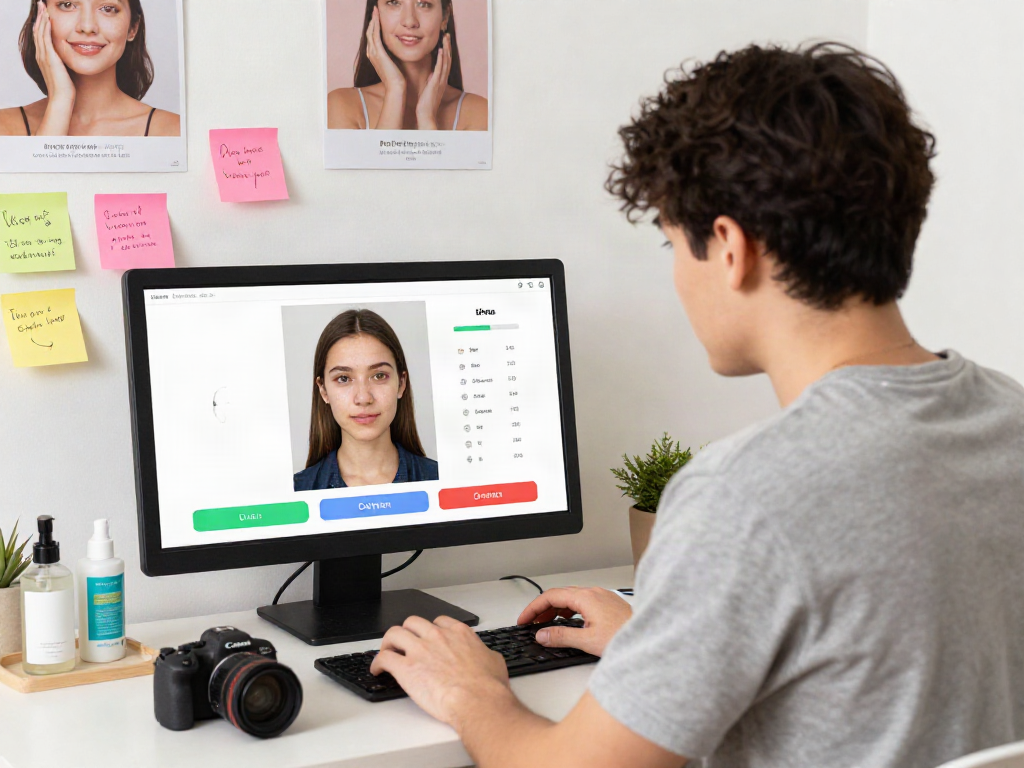
Facial age estimation tools rely on advanced machine learning techniques. Initially, these systems are trained on thousands, if not millions, of images that are annotated with the actual ages of the subjects. The AI learns to associate specific characteristics, such as the presence of crow’s feet or sagging skin, with certain age groups. As users upload their photos, the AI compares these features against its database to generate an age estimate. This process involves complex computations, including deep learning models that can analyze patterns and nuances in facial features more accurately than the human eye.
Common Misconceptions About Age Estimation Tools
Despite their growing popularity, many misconceptions persist regarding facial age estimation tools. One prevalent myth is that these tools can determine one's biological age with absolute precision. In reality, while they provide estimates based on observable features, factors such as genetics, lifestyle, and environmental influences also play significant roles in aging. Additionally, some users may fear that their images are stored or misused; however, reputable platforms prioritize user privacy and data security.
The Popularity of "How Old Do I Look" Tools
The surge in the use of age estimation tools can be attributed to several factors, including the rise of social media and a growing interest in self-image. In 2026, users are increasingly drawn to applications and websites that allow them to explore their perceived age through fun and interactive experiences.
Trends in Online Age Estimation in 2026
As technology advances, the tools for age estimation continue to evolve. In 2026, we see more integrated applications that not only estimate age but also offer personalized skincare recommendations based on the results. This trend aligns with a broader move towards personalized beauty solutions, where individuals seek to address their specific concerns, such as skin elasticity or blemishing, directly informed by AI analysis.
Demographics and User Intent Behind Popularity
The demographic landscape of users engaging with age estimation tools is diverse. While younger individuals might use these platforms for fun or social media engagement, older adults often seek feedback on their appearance concerning anti-aging products. Understanding the varying motivations for using these tools can help developers to tailor their offerings to meet user needs effectively.
Comparing Different Platforms and Their Technologies
In exploring the landscape of age estimation tools, some platforms like FaceAge.ai and Fotor have emerged as frontrunners. Each tool has unique features, from user interface design to the underlying technology. For instance, FaceAge.ai prides itself on speed and privacy, allowing users to upload photos without extensive data capture, while Fotor offers an easy-to-use interface for quick estimates. Comparing these platforms reveals not just technological advancements but also the importance of user experience in driving popularity.
Benefits of Using Age Estimation Tools
Beyond mere curiosity, the use of facial age estimation tools presents several psychological and practical benefits that users may not immediately recognize. From enhancing self-confidence to guiding personal care routines, the insights gained from these tools can have a lasting impact on users' self-perceptions.
Enhancing Self-Confidence Through Feedback
Receiving a favorable age estimate can boost self-confidence. Many users find that these tools validate their efforts in maintaining a youthful appearance, leading to increased satisfaction with their looks. Conversely, negative feedback may prompt proactive measures like adopting healthier skincare routines, thus fostering positive change.
How Age Perception Influences Social Interactions
People's perceptions of age can significantly affect their social interactions. Younger individuals might view having a youthful appearance as an asset, influencing their confidence in social settings. On the other hand, older individuals might embrace tools that highlight their age positively, reframing the narrative around aging in a society often obsessed with youth.
Exploring Skincare and Beauty Strategies Based on Feedback
Age estimation tools can also play a crucial role in skincare education. Users can gain insights into how their skin conditions relate to age, allowing them to select products tailored to their needs. For instance, someone who appears older than their actual age may opt for higher-quality moisturizers or treatments focused on elasticity and hydration.
Challenges Faced by Users of Age Estimation Tools
Despite their benefits, the use of age estimation tools comes with inherent challenges that users must navigate. Addressing these concerns is crucial for fostering trust and ensuring a positive experience.
Privacy Concerns When Uploading Personal Photos
One of the primary concerns associated with age estimation tools is user privacy. Many individuals hesitate to upload personal photos due to fears of misuse or unauthorized access. Robust security measures and transparent privacy policies are essential for alleviating these concerns and encouraging wider adoption of such tools.
Addressing Inaccuracies in Age Predictions
Another challenge lies in the accuracy of predictions. Variability in results can lead to frustration among users, particularly if the estimates significantly deviate from their actual age. Continuous refinement of algorithms and user feedback is vital for enhancing the reliability of these tools over time.
Combating Negative Emotional Responses to Results
Negative emotional responses can arise from unexpectedly high age estimates. Users may feel disheartened or question their appearance. It’s important for developers to incorporate features that promote a positive experience, such as providing users with uplifting content or advice on skincare improvements rather than focusing solely on the numerical output.
Future Trends in Age Estimation Technology
Looking ahead, the field of age estimation technology is poised for significant advancements. As AI continues to evolve, users can expect more sophisticated and nuanced tools that cater to their diverse needs.
AI Innovations to Expect Beyond 2026
Future iterations of age estimation technology may incorporate augmented reality (AR) features, allowing users to visualize their potential aging process over time. Innovations in biometric research might also lead to more precise predictions, taking additional factors like lifestyle into account to provide a holistic view of expected aging.
Potential Ethical Guidelines for Facial Analysis Tools
The expansion of age estimation technologies calls for the establishment of ethical guidelines to protect users. These could include standards for data handling, transparency in how age predictions are made, and ensuring users are informed about the limitations of the technology.
Impact of Technology on Beauty Standards and Self-Image
The integration of age estimation tools into everyday life will likely influence societal beauty standards. As users become more educated about aging through the lens of technology, this could challenge the stigma around aging, fostering a more positive view of all age groups.
What are the most accurate age estimation tools available?
Currently, tools like FaceAge.ai and BeautyPlus lead in accuracy due to their refined algorithms and extensive databases. Continuous updates and user feedback have further enhanced their performance, making them reliable choices for age estimation.
How can I use age estimation tools responsibly?
To use these tools responsibly, approach the results with a critical mindset. Understand that estimates are not definitive and reflect only a portion of your overall health and well-being. Also, ensure that the platform respects your privacy and employs secure measures for data protection.
Are there any age estimation apps that work offline?
While most age estimation tools rely on internet connectivity to access sophisticated AI algorithms, some apps may offer limited offline features. These might include basic filters or presets that do not provide real-time age estimation but can enhance photos for social sharing.
What should I do if I receive an unexpected age estimation?
If faced with an unexpectedly high or low age estimation, take a moment to assess the feedback critically. Consider consulting with a skincare professional or discussing the findings with peers to gain different perspectives on the results.
Can age estimation tools help in skincare product selection?
Absolutely! Age estimation tools can serve as valuable resources for personalizing skincare regimens. By revealing age-related skin concerns, users can make informed decisions about which products to incorporate into their routines, targeting specific needs like hydration or anti-aging.