Understanding Attractiveness: The Science Behind It
Attractiveness has long been a topic of fascination, blending psychology, biology, and cultural influences. In modern society, the concept of beauty is not merely synonymous with physical appearance; it encompasses a complex array of factors including personality, confidence, and socio-cultural standards. As people increasingly seek to gauge their appeal, tools like AI-driven attractiveness tests have gained popularity. These tests offer insights into various aspects of beauty, allowing individuals to assess their looks quantitatively. For those looking to explore their appeal in a systematic manner, platforms that let users test attractiveness provide a structured approach to understanding their attractiveness levels.
What Defines Attractiveness in Modern Society?
In contemporary culture, attractiveness is a multifaceted construct influenced by personal characteristics, societal norms, and technological advancements. Various factors contribute to how we define and perceive beauty today, including:
- Facial Features: Symmetry, skin quality, and other physical traits often influence immediate perceptions of beauty.
- Body Language: Confidence and demeanor can enhance attractiveness, regardless of physical traits.
- Cultural Influences: Different societies have unique standards of beauty that evolve over time, impacting individual and collective perceptions.
The Role of Technology in Attractiveness Testing
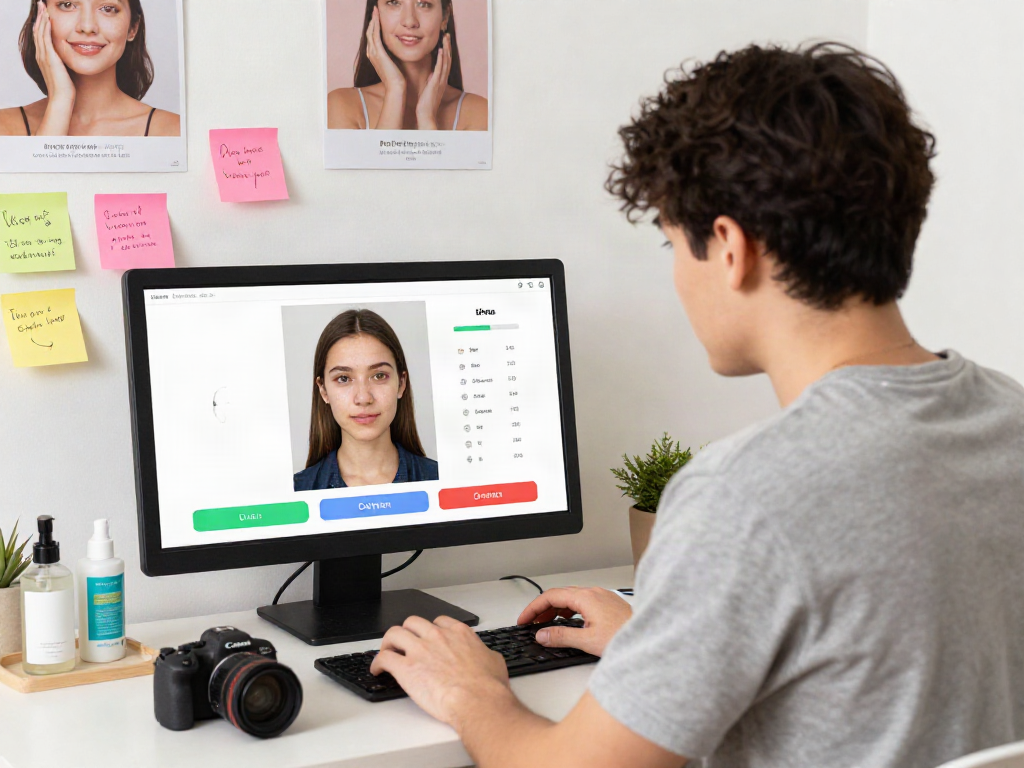
Advancements in artificial intelligence have revolutionized the way individuals assess their attractiveness. AI algorithms analyze various facial features—ranging from symmetry to holistic proportions—to generate scores or ratings. Many online platforms allow users to upload photographs, providing immediate feedback based on predefined aesthetic criteria. These insights not only help individuals understand their standing against prevailing beauty standards but also foster discussions surrounding self-image and body positivity.
Common Misconceptions About Beauty Standards
Despite the wealth of information available, misconceptions regarding beauty standards persist. These include beliefs that:
- Beauty is Universal: While certain traits may be widely appreciated, cultural and societal contexts heavily influence what is deemed attractive.
- Attractiveness Equals Happiness: There is a common misconception that appearance directly correlates with personal fulfillment or success.
- Only Youth is Attractive: Many overlook the attractiveness that can come with maturity, wisdom, and experience.
How to Effectively Test Attractiveness Online
With many platforms available for assessing attractiveness, understanding how to choose and evaluate results properly is crucial in making the most of the experience. Here’s a guide to navigate this landscape efficiently.
Choosing the Right Attractiveness Test Platform
With numerous options online, selecting the right attractiveness test platform is essential for accurate and insightful feedback. Seek out platforms that:
- Utilize reliable algorithms for facial analysis.
- Provide comprehensive reports on various beauty metrics.
- Allow for secure and private photo uploads to ensure user confidentiality.
Evaluating Your Results: What Do They Mean?
Once you receive your attractiveness score, it's crucial to interpret the results within the context of personal growth rather than as definitive judgments. High scores may affirm societal beauty standards, while lower scores can indicate areas for personal improvement or adjustments in presentation. Understand that these scores are not absolute; they are reflections of specific criteria influenced by AI modeling.
Sharing Your Attractiveness Score: Pros and Cons
Sharing results from attractiveness tests can be a double-edged sword. On one hand, it can promote open discussions about self-image and beauty perceptions. On the other hand, it may lead to comparison and unhealthy competition among peers. Evaluate the implications before sharing your score, and consider the impact it may have on your self-esteem and social interactions.
Factors Influencing Attractiveness Ratings
A multitude of elements contributes to how attractiveness is rated and perceived, many of which extend beyond physical attributes.
Facial Symmetry and Its Impact on Perceived Attractiveness
Facial symmetry is often cited as a key indicator of attractiveness. Studies suggest that symmetrical faces are generally perceived as more appealing, perhaps due to evolutionary factors. As humans, we are subconsciously drawn to signs of genetic fitness, which symmetry may indicate.
The Importance of Confidence and Presentation
Confidence plays a significant role in attractiveness. A person’s posture, how they carry themselves, and their ability to engage socially can enhance their perceived beauty, often more than physical features alone. This highlights the importance of self-presentation and personal development.
Social and Cultural Influences on Attractiveness Perception
Attractiveness is not only about individual traits but also about societal standards that fluctuate with trends. Cultural influences shape ideals of beauty, leading to varying perceptions across different demographics. Understanding this context can help individuals navigate their self-esteem and body image within society.
Debunking Myths About Attractiveness Tests
While AI attractiveness tests can provide interesting insights, they are not without their pitfalls. Addressing misconceptions is crucial for users to have realistic expectations.
Are Attractiveness Tests Accurate? Understanding Limitations
Attractiveness tests, though sophisticated, can be limited. They typically evaluate specific metrics that may not account for the full complexity of human beauty, which is subjective and influenced by personal and cultural preferences. Users should approach these tools with an open mind and an understanding of their limitations.
Comparing Different Attractiveness Tests: What Works Best?
Not all tests are created equal. Various platforms may prioritize different features (e.g., symmetry, facial proportions, or even subjective beauty criteria), leading to discrepancies in scoring. When using multiple tools, consider the patterns and insights they provide collectively rather than solely relying on one score.
Real-World Impact of Attractiveness Testing
Understanding the outcomes of attractiveness tests can lead to self-reflection and self-improvement opportunities. However, it can also foster anxiety and unhealthy comparisons if individuals become overly fixated on their scores. Balance is key to leveraging these results positively.
The Future of Attractiveness Testing: Trends to Watch in 2026
As technology continues to evolve, so does the landscape of attractiveness testing. Here are some trends to watch as we move toward 2026.
Emerging Technologies in Facial Analysis
Future advancements in AI and machine learning could lead to more nuanced and accurate assessments of attractiveness. Expect to see improvements in the analysis of factors such as emotional expressions, contextual beauty factors, and even personality traits that contribute to attractiveness.
Changing Trends in Beauty Standards
Beauty standards continue to evolve, increasingly valuing diversity and individuality. As societal acceptance of varying body types and features rises, so too does the flexibility of attractiveness assessments. Tests may adapt to reflect these changes, promoting a more inclusive view of beauty.
How to Stay Informed About Attractiveness Testing Advances
To remain updated on the latest trends and developments in attractiveness testing, consider subscribing to beauty and tech blogs, following industry experts on social media, or participating in forums focused on self-improvement and beauty analysis.
What is Test Attractiveness and How Can You Try It?
Testing attractiveness typically involves uploading a photo to an online platform where an AI assesses various features. By understanding the process and criteria used, individuals can use these tests as a fun way to gain insights into their attractiveness levels.
Is It Possible to Change Your Attractiveness Score?
While many may wish to improve their attractiveness scores, it’s essential to recognize that beauty is subjective. Enhancing one’s attractiveness often involves cultivating confidence, maintaining good grooming habits, and embracing one’s unique features.
How Can I Use Attractiveness Results for Self-Improvement?
The results from attractiveness tests can be used as a leverage point for self-improvement. By identifying areas for enhancement, individuals can set personal goals—whether it be in skincare, fitness, or personal style—that align with their ideal self-image.
Are There Ethical Considerations in Attractiveness Testing?
Ethics play a significant role in the acceptance and use of attractiveness tests. Concerns around privacy, emotional impact, and societal pressures must be considered seriously. Users should approach these assessments with caution and a critical eye toward the broader implications of beauty standards.
Is There an Ideal Attractiveness Score?
While attractiveness tests may generate scores, there is no universal ideal. Beauty is deeply personal, and perceptions vary widely across different cultures and personal preferences. Focus on holistic aspects of attractiveness rather than fixating on numerical scores.
Is Test Attractiveness Only for Young Adults?
Attractiveness tests can be beneficial for individuals of all ages. While young adults may frequently explore these tools, older individuals can also gain valuable insights into their unique beauty and self-perception, regardless of societal norms.