Understanding Yoga Teacher Training 2026
In recent years, the demand for qualified yoga instructors has surged, leading to a boom in yoga teacher training programs globally. In 2026, one of the most sought-after options is the comprehensive 200-hour teacher training in Sri Lanka. This program encompasses not only the physical aspects of yoga but also dives deep into the philosophy, anatomy, and teaching methodologies that help develop well-rounded instructors. When exploring options, yoga teacher training 2026 in Sri Lanka promises a unique blend of practical experience and theoretical knowledge, set against an idyllic backdrop.
What is Yoga Teacher Training?
Yoga teacher training is an immersive educational experience that equips participants with the skills and knowledge necessary to teach yoga classes. The 200-hour certification, recognized by the Yoga Alliance, is an internationally accepted credential that allows graduates to become Registered Yoga Teachers (RYT). Such training typically covers various styles, teaching methods, and the study of yoga history and philosophy, allowing future instructors to create safe, effective, and meaningful classes for diverse populations.
Overview of the 200-Hour Program
The 200-hour program in Sri Lanka is structured to provide a comprehensive understanding of yoga practices and teaching techniques. Students engage in daily asana practice, meditation, and workshops that focus on deepening their comprehension of yoga’s principles. The curriculum emphasizes a science-based approach rooted in the Yoga Synergy method, which integrates modern physiology with traditional practices. This unique blend not only enhances personal practice but also prepares instructors to address the needs of various students effectively.
Benefits of Certification in 2026
Graduating from a 200-hour yoga teacher training program offers numerous benefits beyond certification. Participants will develop a strong personal practice, learn to communicate with confidence, and gain a deep understanding of the ‘why’ behind each pose. These skills foster a supportive community among participants, enriching their learning experience through shared insights and collaborative practice. The certification from a recognized program also opens doors to teaching opportunities globally, allowing graduates to share their passion and knowledge in diverse settings.
Why Choose Sri Lanka for Your Training?
Sri Lanka is quickly becoming a preferred destination for yoga teacher training due to its serene environment, cultural richness, and affordability compared to more saturated markets like Bali or India. The tranquil setting significantly enhances the learning experience, allowing participants to immerse themselves fully in their training and personal growth.
Advantages Over Bali or India
- Less Saturation: Unlike Bali or India, Sri Lanka offers a quieter atmosphere for yoga training, enabling a more personalized and less competitive environment.
- Cost-Effectiveness: Participants often find that the cost of living, training, and accommodations in Sri Lanka provides greater value for their money.
- Welcoming Atmosphere: The hospitality of the Sri Lankan culture enhances the overall experience, making it easier for international students to feel at home.
Cultural Immersion and Community
Engaging with the local culture is a crucial aspect of training in Sri Lanka. Participants have opportunities to interact with the community, partake in traditional cooking classes, and explore local festivals. This cultural immersion enriches the training experience, allowing students to connect their yoga practice with the values and traditions of the region.
Idyllic Training Environment at Lanka Yoga
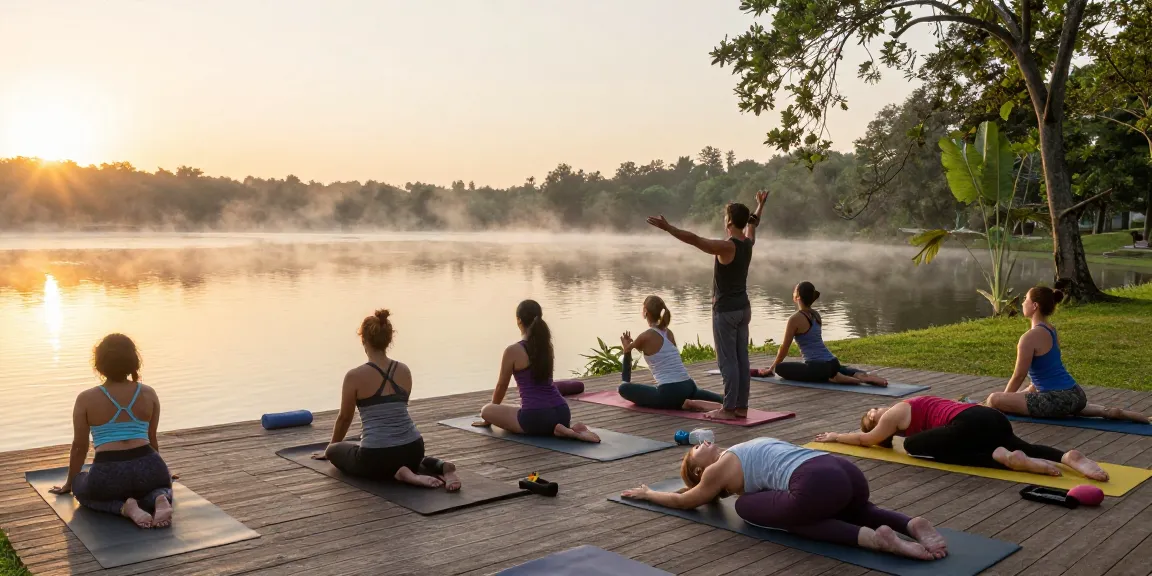
Situated on the serene Koggala Lake, Lanka Yoga offers a purpose-built facility that fosters a peaceful and focused environment for learning. The scenic beauty, combined with modern amenities, creates a perfect backdrop for yoga training. Whether it’s practicing asanas on the dock during sunrise or enjoying communal meals prepared by local chefs, every aspect of the environment is designed to promote wellness and mindfulness.
What to Expect During Your Training
Attending a yoga teacher training program in Sri Lanka is a transformative experience. From the daily structure to the curriculum, participants can anticipate a well-rounded and enriching journey.
A Typical Day in Yoga Teacher Training 2026
A day in the life of a yoga teacher trainee is dynamic and varied. Typically, the schedule includes morning asana practice, community meals, workshops, and time spent on theory and practical teaching. The daily routine supports physical wellness while facilitating a strong community connection among participants.
Curriculum Highlights and Teaching Approach
The curriculum is designed to cover key areas essential to a successful yoga teaching career:
- Asana Practice: Deepening understanding and execution of yoga postures.
- Anatomy: Studying the body’s mechanics to teach safely and effectively.
- Philosophy: Exploring the roots of yoga to apply in modern contexts.
- Teaching Techniques: Learning to communicate effectively and foster student engagement.
Community Support and Networking Opportunities
The training at Lanka Yoga not only focuses on personal development but also emphasizes creating lasting professional connections. Graduates often maintain relationships through alumni networks, which provide ongoing support, job leads, and opportunities for collaboration. This sense of community fosters a nurturing environment where budding instructors can thrive.
Tips for a Successful Training Experience
Preparing for a yoga teacher training program requires thoughtful consideration and planning. Here are some tips to ensure a rewarding experience.
Preparing Physically and Mentally for Training
Before embarking on the journey, it’s crucial to establish a regular yoga practice. This foundation will enhance your understanding and ability to absorb the teachings during the training. Mentally, approach the training with an open mind and a willingness to learn and grow, allowing you to fully embrace the experience.
Making the Most of Your Time in Sri Lanka
Take advantage of your time in Sri Lanka by exploring outside training hours. Engage in local activities such as surfing, hiking, or visiting historical sites to balance your study with leisure and adventure. This immersion will enrich your overall experience and provide additional context for your learning.
Building Confidence as a New Yoga Instructor
Throughout the training, practice teaching will be integral to your development as an instructor. Embrace every opportunity to lead others, as this experience will build your confidence and clarify your unique teaching style. Feedback from peers and instructors is invaluable in refining your skills and preparing you for future classes.
Graduate Success Stories
One of the most inspiring aspects of the yoga teacher training program is witnessing the success stories of past participants. Many graduates go on to establish thriving yoga studios, teach internationally, or integrate yoga into their existing careers.
Real-Life Testimonials from Past Participants
Many students return to share their journeys post-training, highlighting the impact the course had on their lives. Testimonials often mention personal transformation, enhanced physical ability, and newfound purpose. For instance, Melanie from Australia credits her confidence and teaching success to her experience at Lanka Yoga, emphasizing the supportive community and comprehensive curriculum.
Career Opportunities After Certification
With a Yoga Alliance certification, graduates can pursue various career paths, including:
- Teaching yoga classes in studios, gyms, or wellness centers.
- Leading workshops or retreats around the world.
- Integrating yoga principles into therapeutic settings, such as physical therapy or wellness coaching.
How Training Transformed Their Lives
Many graduates express that the training was not just about becoming a yoga teacher; it was a life-changing experience. From personal growth to professional development, the impact resonates long after the training concludes. Clare from Australia noted how the focus on alignment and anatomical movement has profoundly shaped her perspective on both yoga practice and teaching.
Frequently Asked Questions
When considering a yoga teacher training program, potential participants often have several questions. Below are some common inquiries about the 200-hour program in Sri Lanka.
What is covered in the training program?
The curriculum includes a blend of practical and theoretical components, focusing on asana practice, anatomy, philosophy, and teaching methodologies. Additionally, participants will receive a comprehensive training manual and access to an online course to support their learning.
Do I need any prior experience?
While prior experience in yoga is beneficial, it is not mandatory to enroll in the 200-hour program. A genuine interest in yoga and a readiness to engage fully in the learning process are essential for success.
What are the accommodation options available?
Accommodation is provided on-site at Lanka Yoga, with various room types available. All options include three delicious vegan meals per day, which helps foster a sense of community among participants.
How do I register for yoga teacher training 2026?
Registration for the program can be completed online through the Lanka Yoga website. Early registration is encouraged, as spaces are limited and tend to fill quickly.