Understanding Glass Cutting Machines
In the realm of modern manufacturing, glass processing plays a pivotal role, especially in industries such as construction, automotive, and furniture design. Among the various tools used in this field, glass cutting machines stand out for their precision and efficiency. These machines are designed to improve the speed and quality of glass cutting tasks, embracing various technologies that cater to different glass types and applications.
When exploring options, glass cutting machine solutions like those from reputable manufacturers can offer comprehensive insights into the latest advancements and best practices in glass processing.
What is a Glass Cutting Machine?
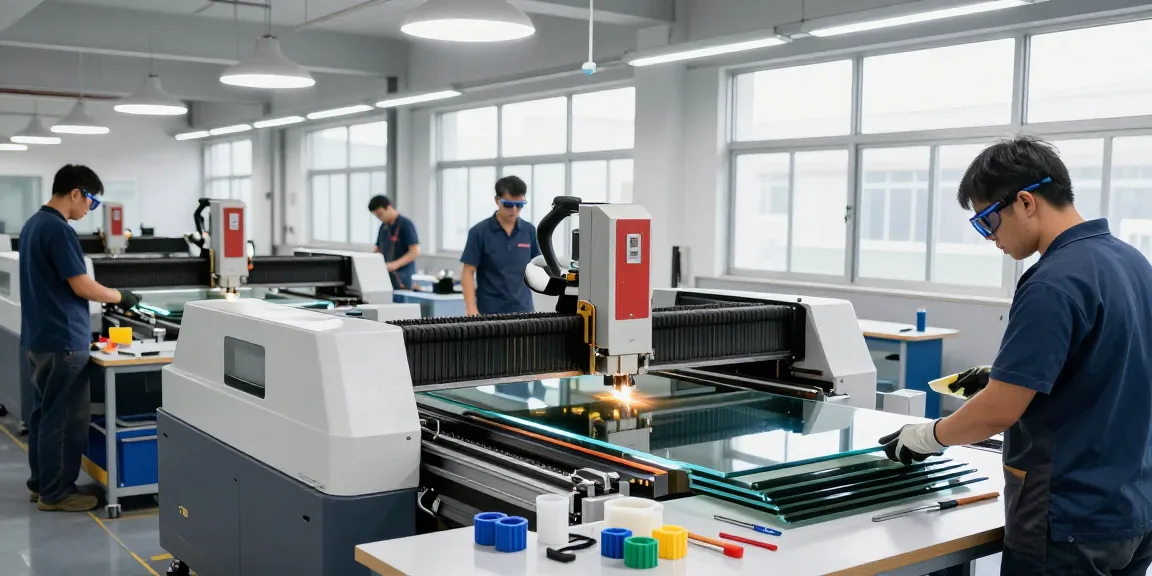
A glass cutting machine is a specialized piece of equipment designed for the accurate and efficient cutting of glass. These machines can vary in size and complexity, from simple handheld tools for manual cutting to sophisticated CNC (Computer Numerical Control) machines that automate the cutting process, ensuring high precision.
Key Components of a Glass Cutting Machine
- Scoring Wheel: This is the primary tool that scores the glass surface, allowing for clean breaks.
- CNC Control System: For automatic machines, this system guides the cutting process with precision based on programmed specifications.
- Vacuum System: Helps to hold the glass in place during the cutting process to prevent movement and ensure accuracy.
- Loading Table: Many modern machines come equipped with loading tables that facilitate the movement and positioning of large glass sheets.
Types of Glass Cutting Technologies
There are several cutting technologies used in glass cutting machines, including:
- Manual Cutting: Involves a handheld cutter to score the glass, typically used for smaller projects.
- CNC Glass Cutting: Computer-controlled machines that offer high precision and can handle complex shapes.
- Water Jet Cutting: Uses high-velocity jets of water mixed with abrasives to cut thick glass while minimizing thermal stress.
- Laser Cutting: An advanced method that employs lasers for precise cuts, especially effective for intricate designs.
Benefits of Using Glass Cutting Machines
Enhanced Precision and Efficiency
One of the primary advantages of employing glass cutting machines is their ability to deliver unmatched precision in cuts. Unlike manual cutting methods, which can result in uneven edges and waste, machines provide consistent results that meet industry standards. This precision not only reduces material wastage but also ensures that the final products fit specifications perfectly, which is particularly important in applications dealing with safety and aesthetics.
Cost-Effectiveness in Production
In the long run, investing in a glass cutting machine can lead to substantial cost savings. Automation speeds up the cutting process, enabling manufacturers to increase their output without raising labor costs. Moreover, the reduction in waste due to precise cutting contributes to lower material costs, allowing companies to pass on savings to customers or improve their profit margins.
Improved Safety Features in Modern Machines
Modern glass cutting machines come equipped with safety features that help protect operators from potential hazards. These include automatic shut-off mechanisms, protective shields, and emergency stop buttons, all designed to minimize the risk of accidents in the workplace. This increased focus on safety not only protects personnel but also enhances overall productivity by reducing downtime due to injuries.
Choosing the Right Glass Cutting Machine
Assessing Your Business Needs
Before selecting a glass cutting machine, businesses should carefully assess their specific needs. Considerations include the types of glass being cut, the required volume and speed of production, and the complexity of the cuts needed. For instance, a small workshop might benefit from a semi-automatic machine, while larger manufacturing plants may require fully automated CNC models.
Comparing Different Models
Once you have established your requirements, the next step is to compare different models on the market. Look for machines that offer the features that align with your production goals, such as flexibility in cutting shapes, ease of use, and machine durability. Additionally, customer reviews and product demonstrations can provide valuable insights into performance and reliability.
Evaluating Machine Specifications
Pay attention to important specifications when choosing a glass cutting machine. These include:
- Cutting Capacity: The maximum size of glass the machine can handle.
- Speed: The cutting speed can significantly affect production rates.
- Precision: Look for machines that offer high precision in cuts to ensure quality.
- Maintenance Requirements: Consider how easy it is to maintain the machine and what regular upkeep involves.
Maintenance Tips for Glass Cutting Machines
Routine Maintenance Practices
To extend the lifespan of your glass cutting machine and maintain its efficiency, it’s essential to implement routine maintenance practices. This includes keeping the machine clean, regularly checking the scoring wheels for wear, and ensuring that the CNC control system is functioning properly. Proper lubrication of moving parts is also critical for smooth operation.
Troubleshooting Common Issues
Even with proper maintenance, issues may arise. Common problems include inaccurate cuts, machine jams, or failure to start. When troubleshooting, check the scoring wheels, recalibrate the machine if necessary, and consult the manufacturer’s manual for specific guidance on resolving issues.
Extending the Lifespan of Your Equipment
In addition to routine maintenance, consider investing in regular professional servicing. A trained technician can identify potential issues before they become significant problems, ensuring your machine remains in top working condition. Implementing a preventive maintenance schedule can help extend the lifespan of your equipment significantly.
Future Trends in Glass Cutting Technology
Innovations to Expect by 2026
The glass processing industry is expected to see several technological advancements by 2026. Innovations include the development of more intelligent machines capable of self-diagnosing issues and optimizing cutting parameters for different glass types. Integration of IoT (Internet of Things) technology will allow machines to communicate vital performance data, enhancing production management.
Automation and AI Integration
As automation continues to evolve, we can expect even more sophisticated AI integration in glass cutting machines. This will empower machines to adapt to varying manufacturing conditions, improving workflow efficiency and reducing downtime due to human error. Enhanced algorithms will also optimize cutting patterns for increased material efficiency.
Sustainability in Glass Cutting Processes
Another significant trend is the push towards sustainability. Future glass cutting machines are likely to integrate eco-friendly technologies and practices, such as waste minimization strategies and energy-efficient operations. This shift towards sustainability will not only benefit the environment but also align with increasing consumer demand for responsible manufacturing.
What are the different types of glass cutting machines?
Glass cutting machines vary widely, including manual cutters, automatic CNC machines, and laser cutters. Each type serves different needs and glass specifications, enabling businesses to select the most appropriate technology based on their production requirements.
How can I maintain my glass cutting machine?
Regular maintenance involves cleaning the machine, checking components for wear, and lubricating moving parts. Routine inspections can preemptively address potential issues and ensure optimal performance.
What are the benefits of automated glass cutting?
Automated glass cutting offers several advantages, including increased precision, faster production speeds, reduced material waste, and enhanced worker safety. These benefits make automation an attractive option for many glass processing businesses.
How do I choose the right glass cutting machine for my business?
Choosing the right machine requires evaluating your specific production needs, comparing various models, and considering machine specifications to ensure it meets your operational goals.
What innovations are expected in glass cutting technology in the future?
Future innovations in glass cutting may include AI-driven automation, IoT integration for data analytics, and sustainable manufacturing practices designed to optimize efficiency and reduce waste.