Understanding Cika4D: A Comprehensive Overview
In the rapidly evolving sphere of indoor agriculture, the integration of advanced design and construction methodologies has become paramount. Cika4D, in collaboration with DAG Facilities, offers cutting-edge solutions tailored for indoor agriculture by providing a comprehensive suite of design and construction services. This article will delve into the essence of Cika4D, examining its innovative features, benefits, and the critical role it plays in transforming indoor agricultural practices.
What is Cika4D?
Cika4D is an innovative platform that serves as a beacon for modern agricultural practices, specifically focusing on indoor farming environments. It integrates various technologies and design principles to create facilities that optimize growth conditions for a plethora of crops. Recognizing the unique challenges presented by indoor agriculture, Cika4D leverages cutting-edge technology to foster environments where plants can thrive.
Key Features of Cika4D in Indoor Agriculture
- Advanced Climate Control: Utilizing sensors and automation, Cika4D ensures that temperature, humidity, and CO2 levels are maintained at optimal levels.
- Efficient Lighting Systems: The platform employs sophisticated lighting solutions that simulate natural light conditions, promoting photosynthesis and enhancing growth rates.
- Modular Designs: The flexibility of Cika4D’s designs allows for the rapid scalability of operations, accommodating both small-scale grow rooms and large commercial facilities.
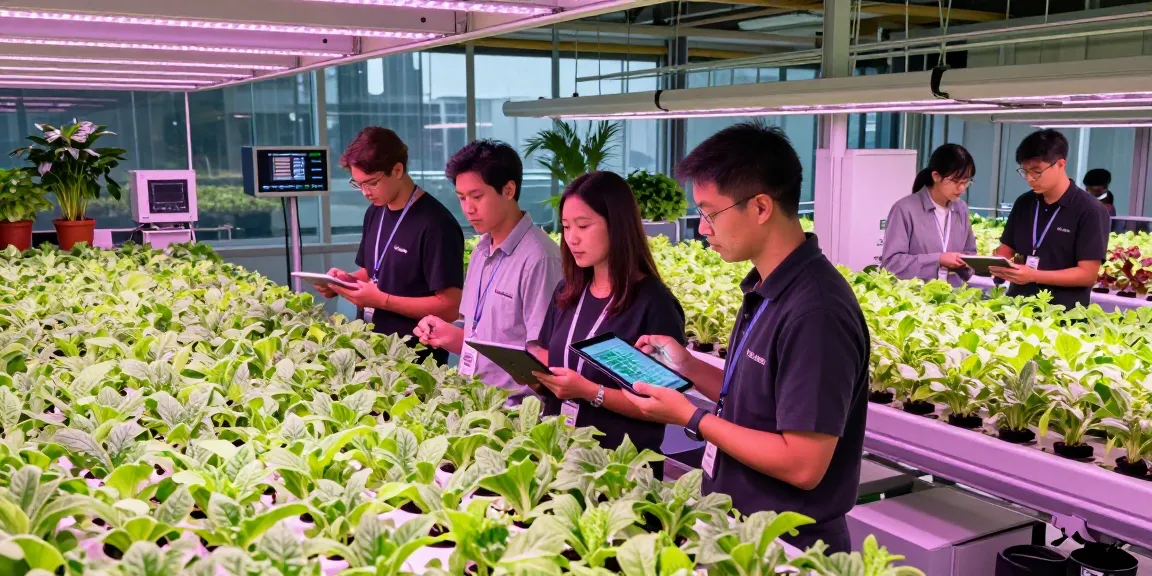
- Integration with Data Analytics: Real-time data collection assists in monitoring plant health and progress, enabling farmers to make informed decisions regarding resource allocation.
Benefits of Implementing Cika4D Solutions
The advantages of adopting Cika4D solutions extend beyond mere aesthetics and operational efficiency. Among the many benefits are:
- Increased Yield: With optimal growing conditions, Cika4D facilities can significantly boost crop yields compared to traditional farming methods.
- Resource Efficiency: Cika4D’s design minimizes waste of water and nutrients, promoting a sustainable approach to agriculture.
- Year-Round Production: Indoor facilities enable farmers to grow crops all year round, unaffected by seasonal changes or adverse weather conditions.
- Reduced Pest and Disease Risks: Controlled environments facilitate better pest management and minimize disease incidences, leading to healthier crops.
The Importance of Design in Indoor Agriculture
Design plays an instrumental role in indoor agriculture as it directly impacts the efficiency and effectiveness of food production. The spatial arrangement, the choice of materials, and the integration of technology are all crucial to creating a thriving environment for plants.
Creating an Optimal Growth Environment
A well-designed indoor agriculture facility takes into account various factors necessary for plant growth. For instance, the layout must promote airflow and light distribution, while incorporating irrigation and drainage systems to prevent waterlogging. Cika4D emphasizes these design principles to ensure that every facility it develops supports optimal growth conditions.
Technological Innovations in Agricultural Design
Technological advancements bring significant improvements to agricultural design. Innovations such as automated nutrient delivery systems and real-time environmental monitoring facilitate precise farming practices. Cika4D incorporates these technologies, allowing for more management and less waste, which enhances overall productivity in indoor agriculture.
Case Studies: Successful Cika4D Implementations
Observation of real-world applications of Cika4D reveals its transformative potential. For example, a recent project involved the establishment of a vertical farm utilizing Cika4D’s modular designs. This facility optimized space usage, significantly increasing yield per square foot and demonstrating the scalability of Cika4D solutions.
Integrating Sustainability in Indoor Farming with Cika4D
Sustainability is at the forefront of modern agricultural practices. Cika4D is committed to ensuring that its facilities not only produce food efficiently but do so with minimal environmental impact.
Energy Efficiency Strategies for Modern Facilities
Implementing energy-efficient designs is essential for sustainability. Cika4D utilizes LED lighting systems that significantly reduce energy consumption while providing the necessary spectrum for plant growth. Additionally, energy recovery systems are integrated into designs to recycle thermal energy, further enhancing sustainability.
Materials and Resources for Sustainable Construction
The choice of materials in constructing indoor agriculture facilities is critical. Cika4D emphasizes the use of eco-friendly, recyclable materials that contribute to overall sustainability while ensuring durability and functionality in agricultural environments.
Long-term Benefits of Sustainable Practices
Adopting sustainable practices leads to long-term benefits, including reduced operational costs, improved product quality, and enhanced consumer trust. Facilities built with sustainability in mind not only support the environment but also appeal to an increasingly eco-conscious market.
Challenges and Solutions in Indoor Agriculture
Despite the myriad benefits that indoor agriculture and Cika4D solutions offer, challenges do exist. It is essential to address these obstacles head-on for successful implementation.
Common Obstacles in Implementing Cika4D
- High Initial Investment: The cost of setting up advanced agricultural systems can deter potential investors.
- Technical Expertise: A shortage of skilled personnel to manage and operate sophisticated indoor farms can lead to inefficiencies.
- Regulatory Hurdles: Navigating local agricultural regulations can complicate the implementation process.
Effective Problem-Solving Strategies
To mitigate these challenges, effective strategies must be employed, such as:
- Establishing partnerships with educational institutions to cultivate a skilled workforce.
- Investigating funding opportunities and government grants that support sustainable farming projects.
- Engaging with regulatory bodies early in the planning phase to streamline approval processes.
Real-World Solutions: Overcoming Cika4D Challenges
Successful case studies show that with the right approach, many of these challenges can be overcome. For instance, one facility collaborated with local universities to develop training programs that equipped employees with necessary technical skills, demonstrating a proactive approach to workforce challenges.
Future Trends in Indoor Agriculture and Cika4D
The future of indoor agriculture holds exciting possibilities as technology and consumer preferences continue to evolve. Cika4D is poised to be at the forefront of these trends, shaping the future of sustainable food production.
Emerging Technologies Shaping the Industry
Technologies such as artificial intelligence and machine learning are beginning to play pivotal roles in optimizing indoor farming practices. Cika4D actively incorporates these technologies, enabling predictive analytics that enhance decision-making and operational efficiency.
Predictions for Indoor Agriculture in 2026
As we look toward 2026, experts predict a surge in the adoption of fully automated indoor farms that utilize robotics for planting, maintenance, and harvesting. Cika4D is well-positioned to lead this shift, with its focus on modular design and technological integration.
Preparing for the Next Generation of Agricultural Solutions
Preparation for the next generation of solutions involves continual adaptation to market demands and consumer preferences. Cika4D’s commitment to innovation ensures that it will continue to provide solutions that meet the evolving needs of the agricultural sector.
What are the benefits of using Cika4D?
Cika4D offers numerous benefits, including higher crop yields, sustainability in production, and reduced environmental impact, making it an essential solution for modern agriculture.
How does Cika4D enhance indoor farming efficiency?
By providing advanced technology, optimizing resource use, and creating controlled environments, Cika4D significantly enhances operational efficiency, enabling farmers to maximize their output.
What are the key features of indoor agriculture facilities?
Key features include climate control systems, modular designs for scalability, energy-efficient lighting, and integration with data analytics for better management.
How can sustainability be integrated into indoor agriculture?
Sustainability can be integrated through the use of eco-friendly materials, energy-efficient systems, and practices that minimize resource waste, aligning with Cika4D’s operational philosophy.
What future developments are expected in the Cika4D approach?
Future developments may include enhanced automation, expanded data analytics capabilities, and broader applications of artificial intelligence in indoor agriculture, solidifying Cika4D’s leadership in the field.