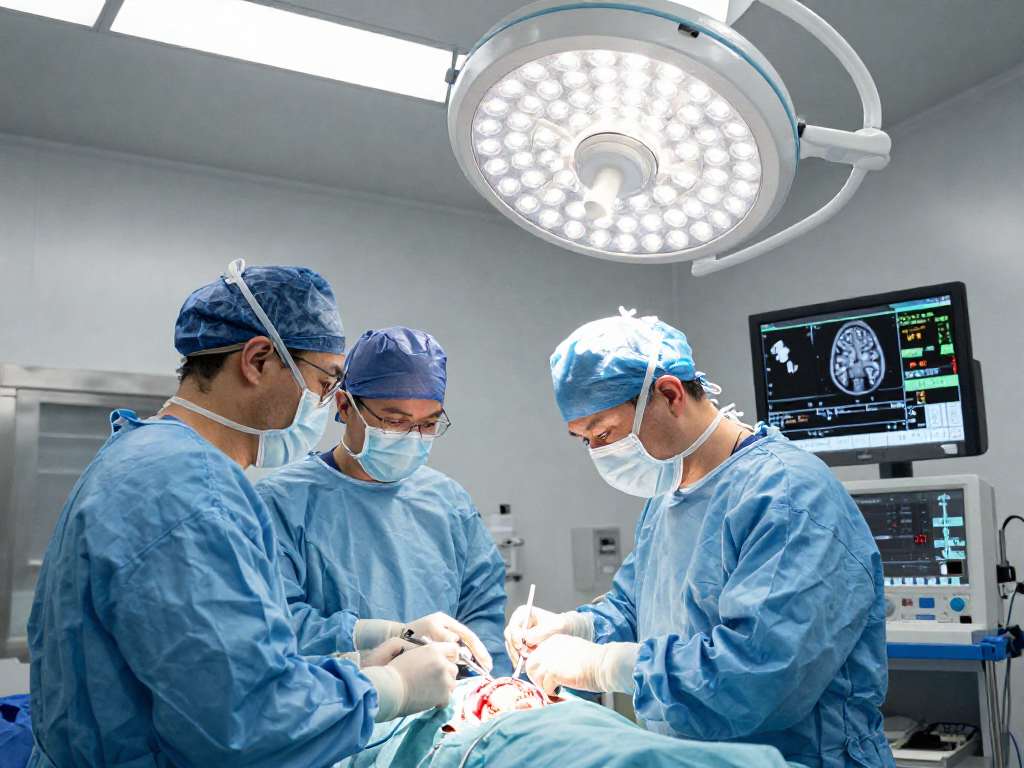
Understanding Brain Tumors and Their Types
Brain tumors are abnormal growths of tissue in the brain or central spinal canal. In understanding the complexities of brain tumors, it is crucial to differentiate between various types, as they can significantly impact treatment and prognosis. There are both benign and malignant forms, with benign tumors typically being non-cancerous and less aggressive. On the other hand, malignant tumors exhibit rapid growth and may invade neighboring tissues, reflecting a critical area of concern for patients and medical professionals alike. When exploring options, beyin tümörü ameliyatı provides comprehensive insights on the surgical interventions available for various tumor types.
What Are Brain Tumors?
Brain tumors can arise from different cell types, including neurons, glial cells, and meninges. The World Health Organization classifies these tumors based on their origin and characteristics, ranging from low-grade (benign) to high-grade (malignant), influencing treatment decisions significantly. Understanding the histological features of these tumors is paramount in determining the most effective treatment strategies.
Types of Brain Tumors: Benign vs. Malignant
Benign brain tumors, such as meningiomas and acoustic neuromas, generally do not spread and are often treatable through surgery alone. Conversely, malignant tumors, such as glioblastomas and metastatic tumors, can be aggressive and require a multidisciplinary approach involving surgery, radiation therapy, and chemotherapy. The distinction between these types affects not only the treatment plan but also the patient's prognosis and expected outcomes.
Symptoms and Diagnosis of Brain Tumors
Common symptoms of brain tumors include headaches, seizures, and neurological deficits, which can vary depending on the tumor’s location and size. Diagnosis typically involves a combination of neurological examinations and imaging techniques such as MRI or CT scans to accurately characterize the tumor and inform treatment strategies.
The Brain Tumor Surgery Process
The surgery for brain tumors is a multi-step process that must be meticulously planned and executed. Factors such as tumor type, location, and the patient’s overall neurological status play significant roles in shaping the surgical approach. Each stage, from preoperative preparation through postoperative care, is critical for optimal patient outcomes.
Stages of Beyin Tümörü Ameliyatı
The surgical intervention begins with thorough preoperative assessments, including imaging studies and multidisciplinary consultations. These evaluations help define the surgical strategy tailored to the individual patient's needs, enabling precise targeting of the tumor while minimizing damage to surrounding healthy tissue.
Preoperative Planning and Considerations
During the preoperative phase, neurosurgeons strategize using advanced imaging techniques and potentially intraoperative navigation tools. These innovations allow for real-time visualization of the tumor, enhancing surgical precision and safety during the operation. Planning also includes assessing the patient’s medical history and potential complications.
Intraoperative Techniques and Innovations
Modern surgical techniques, such as fluorescence-guided surgery and awake craniotomy, facilitate the removal of tumors located in critical brain areas. By keeping patients awake during certain phases of the procedure, surgeons can monitor and preserve essential neurological functions, thereby significantly reducing postoperative deficits.
Risks and Complications of Brain Surgery
Brain surgeries, while often lifesaving, carry inherent risks. Surgeons and medical teams work diligently to minimize complications, but it is crucial for patients and their families to understand potential outcomes associated with neurosurgery.
Potential Surgical Risks and Management
Common risks include infection, bleeding, and neurological deficits. The management of these risks involves careful monitoring and, if necessary, interventions to address complications promptly. Patient education about these risks is essential for informed consent and ensuring realistic expectations throughout the treatment process.
Postoperative Complications to Watch For
Following surgery, patients may experience complications such as cerebral edema, infection, or seizures. Regular postoperative evaluations, including imaging studies, are vital for monitoring recovery and addressing any emerging issues effectively.
Long-term Effects and Prognosis
The prognosis following brain tumor surgery greatly depends on several factors, including the tumor type, its grade, and the success of its resection. Low-grade tumors tend to have a better prognosis than high-grade malignancies, which often require additional treatments to manage residual disease and prevent recurrence.
Post-Surgery Care and Recovery
The recovery process after brain tumor surgery is highly individualized and can vary widely based on the complexity of the procedure and the patient's health before surgery. A structured approach to postoperative care can foster a smoother recovery trajectory.
Recovery Process Following Beyin Tümörü Ameliyatı
Initial recovery often occurs in a hospital setting, where patients are closely monitored for any signs of complications. Rehabilitation may be necessary to support recovery, particularly for patients who experience neurological deficits. Physical, occupational, and speech therapy can significantly enhance functional recovery.
Recommended Follow-up Care and Monitoring
After discharge, regular follow-up appointments are crucial for monitoring recovery and assessing for any signs of tumor recurrence. Imaging studies are typically conducted at intervals to evaluate brain health and ensure continuous care.
Tips for a Smooth Recovery
Engaging in gradual physical activity, maintaining a balanced diet, and following medical advice regarding medications and rehabilitation therapies are key components of a successful recovery. Patients are encouraged to report any concerning symptoms, such as worsening headaches or neurological changes, to their healthcare team.
Future Trends in Brain Tumor Treatment
As the field of neurosurgery evolves, innovative technologies and strategies continue to emerge, promising better outcomes for patients diagnosed with brain tumors. Understanding these trends can empower patients and caregivers to make informed decisions about treatment options.
Innovative Approaches and Technologies
Emerging techniques, including robotic-assisted surgery and enhanced imaging modalities, are revolutionizing brain tumor interventions. These advancements aim to improve surgical accuracy and minimize recovery time, ultimately making brain surgery safer and more effective.
Predictions for Surgical Techniques by 2026
By 2026, we expect to see further refinement in minimally invasive surgical techniques along with personalized treatment plans tailored to the genetic profiles of tumors. This shift could lead to more effective and targeted therapies that enhance patient outcomes while reducing the overall burden of treatment.
Patient-Centric Care Models in Neurosurgery
In the future, patient-centric models that incorporate shared decision-making and comprehensive support systems are likely to gain traction. By focusing on the needs and preferences of patients, healthcare providers can enhance the overall treatment experience and improve satisfaction in care.
What is the recovery time after beyin tümörü ameliyatı?
Recovery times vary widely among patients and can depend on multiple factors, including the individual’s health, the type of tumor, and the complexity of the procedure. Typically, patients may require several weeks to months for full recovery, with ongoing follow-up care essential for monitoring.
What are the different types of brain tumors?
Brain tumors can be broadly categorized into primary brain tumors, which originate in the brain tissue, and secondary tumors or metastases, which spread from other parts of the body. Each type has unique biological behavior, which influences treatment approaches.
How is brain tumor surgery performed?
Brain tumor surgery typically involves techniques such as craniotomy to access the tumor, followed by precise removal using advanced surgical tools and techniques. The approach will vary based on tumor location and surrounding brain function.
What are the risks associated with brain tumor surgery?
While brain surgery can be highly effective, it carries risks including infection, bleeding, and damage to surrounding brain tissue. A thorough risk assessment and preoperative planning are vital to mitigate these concerns.
How often should follow-ups occur after surgery?
Follow-up appointments and imaging studies are typically scheduled every few months following surgery for the first couple of years, after which the frequency may decrease based on the patient's condition and tumor type.. Additionally, beyin tümörü ameliyatı provides further details.