Understanding the Importance of Being Active
In a world where sedentary lifestyles are increasingly common, understanding the concept of being active is crucial for maintaining both physical and mental health. Being active is not just about engaging in rigorous workouts; it encompasses a broad spectrum of movements and activities that individuals can incorporate into their daily routines. From brisk walking to vigorous sports, the avenues for staying active are diverse and adaptable to any lifestyle. For insights on making the most of your active lifestyle, resources like active can provide invaluable tips and inspiration.
What Does It Mean to Be Active?
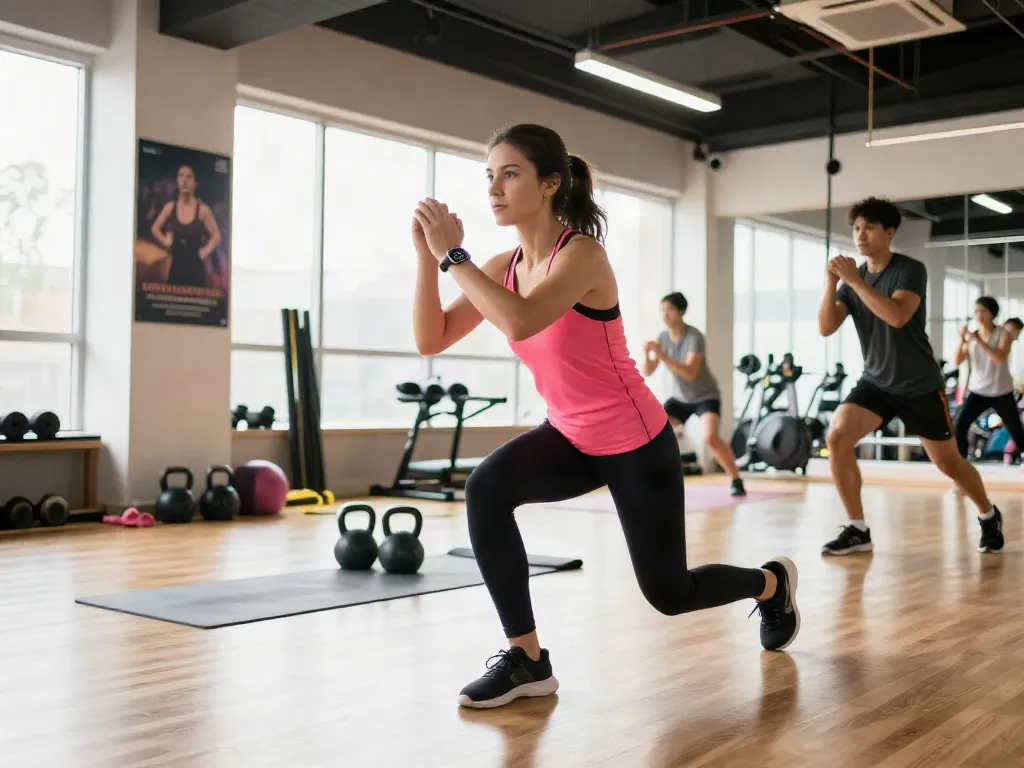
Being active means engaging regularly in physical activities that raise your heart rate, enhance fitness levels, or improve overall well-being. It extends beyond structured exercise and includes daily activities such as gardening, brisk walking, playing with children, or even standing instead of sitting. The key characteristic of being active is consistency and a conscious effort to incorporate movement into your life.
Active Lifestyle Benefits for Mental Health
Maintaining an active lifestyle is not only essential for physical well-being but also plays a significant role in enhancing mental health. Research consistently shows that regular physical activity can help reduce symptoms of anxiety and depression. Exercise promotes the release of endorphins, often referred to as "feel-good" hormones, which can boost mood and foster a sense of achievement.
- Stress reduction: Regular physical activity helps alleviate stress by increasing the body’s production of neurotransmitters that regulate mood.
- Improved sleep: An active lifestyle can contribute to better sleep patterns, which is crucial for mental health recovery.
- Social connection: Engaging in group activities or sports can enhance feelings of belonging and community, reducing feelings of loneliness.
Physical Health Outcomes of Staying Active
Physical health is significantly impacted by an active lifestyle. Regular activity has numerous benefits, including:
- Weight management: Remaining active helps maintain a healthy weight, reducing the risk of obesity.
- Cardiovascular health: Engaging in heart-healthy exercises strengthens the heart and improves circulation.
- Reduced chronic disease risk: Regular physical activity lowers the risk of diseases such as diabetes, hypertension, and certain cancers.
Popular Active Trends to Follow in 2026
As we move further into 2026, a variety of trends are emerging in the realm of active living that are shaping how individuals engage with fitness and wellness. Staying updated on these trends can provide new opportunities for maintaining an active lifestyle.
Emerging Fitness Classes and Activities
Fitness classes are evolving to meet the needs of a diverse audience. New trends include:
- Hybrid workouts: Combining different fitness modalities, such as yoga and HIIT, to deliver comprehensive workouts.
- Outdoor fitness retreats: More people are opting for fitness experiences that take place in nature, merging exercise with the benefits of natural surroundings.
- Mindfulness integration: Classes that incorporate mindfulness practices, such as meditation, alongside physical movements to enhance overall wellness.
Technological Innovations in Active Living
The role of technology in fitness continues to expand, integrating seamlessly into active lifestyles through:
- Wearable tech: Devices that track activity levels, heart rate, and even sleep patterns are becoming must-haves for fitness enthusiasts.
- Virtual fitness classes: Online platforms offering live or recorded workouts allow flexibility and accessibility to various fitness options.
- Mobile fitness apps: Applications that provide personalized workout plans and nutrition tracking support users in their active journeys.
Social and Community Aspects of Active Lifestyles
Communities are increasingly recognizing the importance of collective active living. Group activities and community-driven initiatives help foster motivation and accountability:
- Group challenges: Many communities are organizing fitness challenges that involve friendly competition, encouraging participation and camaraderie.
- Neighborhood wellness programs: Local governments and organizations are promoting public health through community fitness events and free classes.
- Charity runs and events: Participating in events that support a cause can enhance the sense of community and personal fulfillment.
Creating a Personalized Active Routine
Establishing a routine that promotes an active lifestyle requires thoughtful planning and personal assessment. Here are steps to facilitate this process:
Assessing Your Current Fitness Level
Before embarking on a journey to become more active, it’s essential to evaluate your current fitness level. Consider performing:
- Endurance tests, such as a timed walk or run.
- Strength assessments using bodyweight exercises like push-ups or squats.
- Flexibility evaluations through stretches and yoga poses.
Setting Realistic and Achievable Goals
Once you assess your fitness level, setting realistic goals can guide your active journey. Use the SMART criteria (Specific, Measurable, Achievable, Relevant, Time-Bound) to outline your objectives:
- Specific: Define what you want to achieve, such as running a 5k or attending three exercise classes per week.
- Measurable: Determine how you will track your progress, such as logging workouts or measuring improvements in endurance.
- Achievable: Ensure your goals are realistic given your current fitness level and lifestyle.
- Relevant: Align your goals with your interests and overall health objectives.
- Time-Bound: Set a deadline for your goals to increase accountability.
Incorporating Variety to Stay Engaged
To maintain motivation and prevent burnout, it’s vital to incorporate variety into your active routine. Consider exploring:
- Different types of workouts, such as cycling, swimming, and dance.
- Seasonal activities that take advantage of the weather, like skiing in winter or hiking in summer.
- Classes or communities that focus on new skills, such as martial arts or rock climbing.
Common Challenges in Maintaining an Active Life
Despite the benefits, many people encounter obstacles while trying to maintain an active lifestyle. Understanding these challenges can help in devising effective strategies to overcome them.
Lack of Time and Its Solutions
One of the most common barriers to being active is the perceived lack of time. To overcome this challenge:
- Prioritize physical activity by scheduling it into your calendar like any other appointment.
- Opt for shorter, high-intensity workouts that can be done in 20-30 minutes.
- Incorporate activity into daily routines, such as taking stairs instead of elevators or walking during breaks.
Overcoming Motivation Hurdles
Many struggle with maintaining motivation over time. To keep the momentum going:
- Set small, achievable milestones that celebrate progress.
- Engage a workout buddy for accountability and support.
- Join local clubs or groups to connect with like-minded individuals who share similar fitness goals.
Dealing with Injuries and Setbacks
Injuries can derail even the most dedicated fitness enthusiasts. To prevent and manage setbacks:
- Listen to your body and rest when needed to prevent worsening injuries.
- Consult with healthcare professionals for tailored advice and recovery strategies.
- Gradually reintroduce activities, focusing on low-impact movements as you recover.
Future of Active Living: What to Expect
Looking ahead, the future of active living promises to be dynamic, with upcoming trends and innovations continually reshaping how we approach fitness.
Trends in Health and Wellness for 2026
Emerging trends for 2026 include:
- Holistic health approaches: Increasing focus on mental, emotional, and social well-being alongside physical fitness.
- Personalized fitness: Tailored fitness experiences driven by data analytics from wearable tech.
- Sustainability in fitness: Eco-friendly products and practices gaining popularity among fitness enthusiasts.
How Community Support Shapes Active Lifestyles
The role of communities in fostering active lifestyles cannot be overstated. Community support systems create an environment conducive to fitness through:
- Organized events that promote collective participation.
- Access to shared resources, such as community gyms or recreational spaces.
- Programs that encourage mentorship between seasoned athletes and newcomers.
Experts Predicting the Future of Fitness
Fitness experts project that the future will see an expansion in:
- Virtual reality workouts that provide immersive experiences.
- Increased focus on mental health initiatives within fitness programs.
- Adaptive fitness programs designed to cater to diverse needs, including those with disabilities.
What is the meaning of active?
The term "active" refers to being engaged in physical movement or activities. It implies a state of doing rather than being passive, emphasizing participation, energy, and involvement in various forms of exercise.
What does it mean to be active?
To be active means to consistently engage in physical activities that promote health and well-being. This includes structured exercise as well as everyday activities that contribute to overall fitness.
What is another word for being active?
Synonyms for being active include engaged, lively, energetic, and dynamic. These terms convey the essence of involvement and vigorous participation in physical pursuits.