Introduction to Wudu Basin and Its Importance
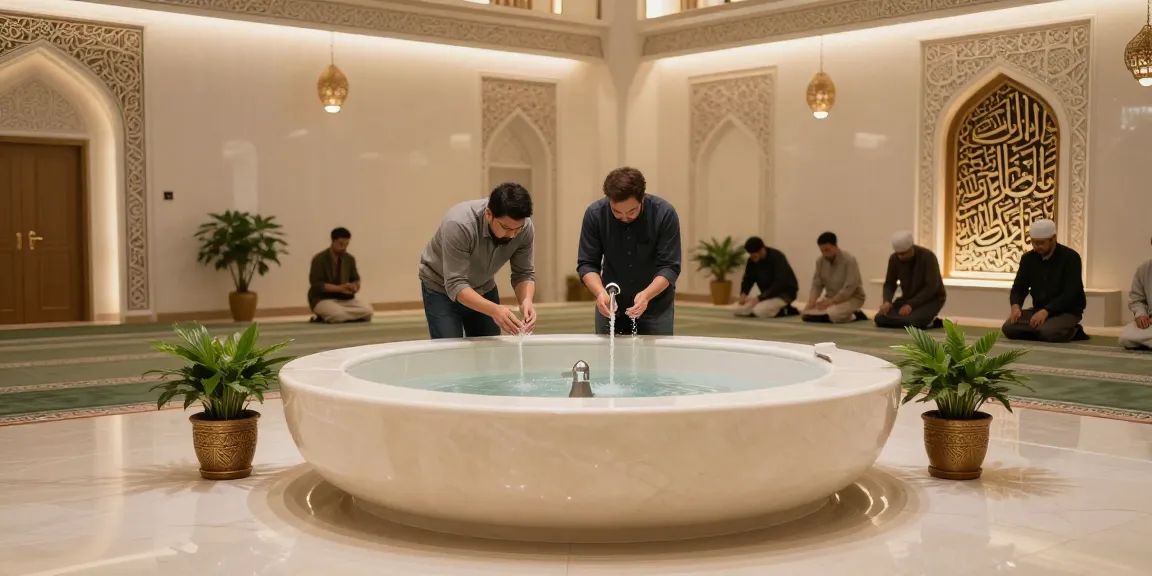
The Wudu basin serves as an essential component in Islamic practice, facilitating the ritual purification known as Wudu before prayer. This purification is a fundamental aspect of worship, promoting both physical cleanliness and spiritual readiness. The significance of the Wudu basin extends beyond mere functionality; it embodies a deep-rooted cultural importance within Muslim communities, serving as a reminder of the importance of cleanliness in both body and mind. When exploring options, Wudu basin offerings showcase innovative designs that elevate the experience of this sacred practice.
Understanding the Purpose of Wudu
Wudu, the act of ablution, is a prerequisite for performing Salah, or prayer, in Islam. This ritual cleansing involves washing specific parts of the body – the hands, mouth, nostrils, face, arms, head, and feet – with water. The primary purpose of Wudu is to ensure that worshippers approach their prayers in a state of purity, as emphasized in various Hadiths and the Quran. By understanding the deeper meaning behind Wudu, we can appreciate why having an accessible and efficient Wudu basin is essential in mosques and homes.
The Role of Wudu Basins in Islamic Practice
Wudu basins play a vital role in facilitating the Wudu ritual. They are specifically designed to accommodate the needs of multiple users, especially in communal settings like mosques. These basins must not only provide a practical solution for washing but also ensure the experience is comfortable and efficient. Their design often incorporates ergonomic considerations, allowing for easy access and use, which is crucial for worshippers of all ages and abilities.
Design Trends in Modern Wudu Basins
Recent design trends in Wudu basins emphasize both aesthetics and functionality. Contemporary Wudu basins come in various styles, materials, and finishes, allowing for seamless integration into modern architecture. Innovations include:
- Space-saving designs suitable for smaller prayer areas.
- Eco-friendly materials that promote sustainability.
- Integrated drainage systems to enhance hygiene and maintenance.
- Customizable options to fit specific architectural themes.
These modern designs not only serve practical purposes but also enhance the overall ambiance of worship spaces, making them more inviting.
Choosing the Right Material for Your Wudu Basin
The selection of materials for Wudu basins is essential for durability, aesthetics, and maintenance. Several materials are commonly used, each offering unique advantages.
Benefits of Solid Surface Materials
Solid surface materials, such as those offered by KingKonree, are increasingly popular for Wudu basins. These materials are non-porous, making them resistant to stains and bacteria, which is crucial for hygiene in communal areas. Additionally, solid surfaces can be molded into various shapes and sizes, allowing for customized designs that suit specific architectural requirements.
Comparing Durability and Aesthetic Appeal
When comparing materials, solid surfaces boast superior durability compared to traditional ceramic or porcelain basins. They can withstand heavy usage and resist chips or cracks, ensuring longevity even in high-traffic facilities. Moreover, solid surfaces can be aesthetically pleasing, available in an array of colors and finishes that can complement various design themes.
Maintenance Tips for Long-Lasting Basins
Maintaining Wudu basins is essential to preserve their appearance and functionality. Here are some practical maintenance tips:
- Regularly clean with mild soap and water to prevent buildup of soap scum and grime.
- Avoid abrasive cleaners that can scratch the surface.
- Inspect for any cracks or signs of damage to address issues promptly.
- Ensure proper drainage to prevent water stagnation, which can lead to odors.
By adhering to these maintenance practices, you can ensure that your Wudu basin remains in optimal condition for years.
Innovative Designs for Enhanced Functionality
As the needs of worshippers evolve, so too does the design of Wudu basins. Innovative solutions are emerging to accommodate a diverse range of requirements.
Space-Saving Wudu Basin Designs for Smaller Areas
In many urban settings, space is at a premium. As such, designers are creating compact Wudu basins that maximize functionality while minimizing their footprint. These designs often feature:
- Wall-mounted basins that save floor space.
- Integrated seating options for ease of use.
- Multi-user designs to streamline the Wudu process.
Accessibility Considerations for All Worshippers
It is crucial to consider accessibility in the design of Wudu basins. Ensuring that facilities are user-friendly for individuals with disabilities, elderly worshippers, and families with children enhances the inclusivity of worship spaces. Features such as:
- Adjustable heights for basins.
- Support bars for stability.
- Clear signage and guidance for ease of use.
These considerations are vital for creating an accommodating environment for all worshippers.
Integrating Technology into Wudu Facilities
As technology continues to advance, its integration into Wudu facilities becomes increasingly practical. Innovations include sensor-activated faucets, which promote water conservation and minimize physical contact, enhancing hygiene. Additionally, touchscreen panels can provide information on the Wudu process, making it easier for newcomers to navigate the ritual.
Best Practices for Installation and Maintenance
Proper installation and regular maintenance of Wudu basins are essential to ensure their longevity and functionality. Following industry best practices can help achieve optimal results.
Step-by-Step Installation Guide for Wudu Basins
When installing a Wudu basin, it is important to:
- Choose a location with adequate drainage and plumbing access.
- Ensure that the area is well-ventilated to prevent moisture buildup.
- Follow specific manufacturer guidelines for installation.
- Test all connections before finalizing the installation.
Regular Maintenance Schedules and Procedures
Creating a maintenance schedule is vital for keeping Wudu basins in excellent condition. This may include:
- Daily checks for cleanliness and functionality.
- Weekly deep cleaning to remove any buildup.
- Monthly inspections for any needed repairs.
- Annual professional servicing if required.
Common Issues and Troubleshooting Tips
Despite proper care, issues may arise. Some common problems include:
- Clogged drains, which can often be cleared with a plumbing snake.
- Leaking fixtures, which may require replacement of washers or seals.
- Cracked surfaces, which may need professional refinishing or replacement.
By being proactive and addressing these issues promptly, you can prolong the lifespan of your Wudu basin.
Future Trends in Wudu Basin Design and Usage
The future of Wudu basin design is moving towards sustainability and adaptability. As society’s values shift, so do the demands placed upon worship facilities.
Eco-Friendly Innovations in Wudu Basin Manufacturing
Environmental consciousness is becoming a priority across all industries, including sanitary ware. Manufacturers are adopting eco-friendly materials that reduce waste and conserve resources. Innovations such as:
- Recycled materials for basin production.
- Water-saving technologies to reduce consumption.
- Biodegradable cleaning products for maintenance.
These practices not only contribute to a healthier planet but also align with Islamic teachings of stewardship over the Earth.
Adapting to Changing Worship Needs
As communities evolve, so do their worship practices. Wudu basin designs must adapt to accommodate new rituals or expanded community events. Flexibility in design can allow for:
- Temporary installations for special events.
- Multi-use spaces that serve both Wudu and other functions.
- Educational displays for teaching about ablution to younger generations.
The Impact of Technology on Islamic Practices in 2026
As we look towards 2026, the impact of technology on Islamic practices is expected to grow. From mobile applications that provide prayer times and Wudu guidance to smart basins that track water usage and provide feedback on maintenance needs, technology will play a significant role in enhancing the worship experience. This intersection of tradition and innovation promises to create a more engaging and fulfilling environment for future generations of worshippers.
What is the significance of wudu before prayer?
The significance of Wudu lies in its role as both a physical and spiritual preparatory act for prayer. It emphasizes cleanliness and the importance of purity, serving as a reminder of the reverence needed when engaging with Allah.
How can I maintain my wudu basin to keep it looking new?
To maintain the aesthetics and functionality of your Wudu basin, regular cleaning with gentle detergents, immediate attention to spills, and periodic inspections for wear and tear are essential. Following recommended maintenance schedules can effectively prolong its life.
What materials are best for wudu basins in public spaces?
For public spaces, materials such as solid surfaces are ideal due to their durability, non-porosity, and ease of maintenance. These materials withstand high usage while remaining hygienic and visually appealing.
Are there any trends in wudu design I should be aware of?
Current trends include eco-friendly materials, compact designs for urban spaces, and enhanced accessibility features. Additionally, integrating technology into Wudu facilities is becoming increasingly popular.
How do I ensure accessibility in my wudu facility?
Ensuring accessibility involves incorporating designs that consider all users, such as adjustable basins, clear signage, and features for individuals with disabilities. Regular feedback from the community can also help identify areas for improvement.