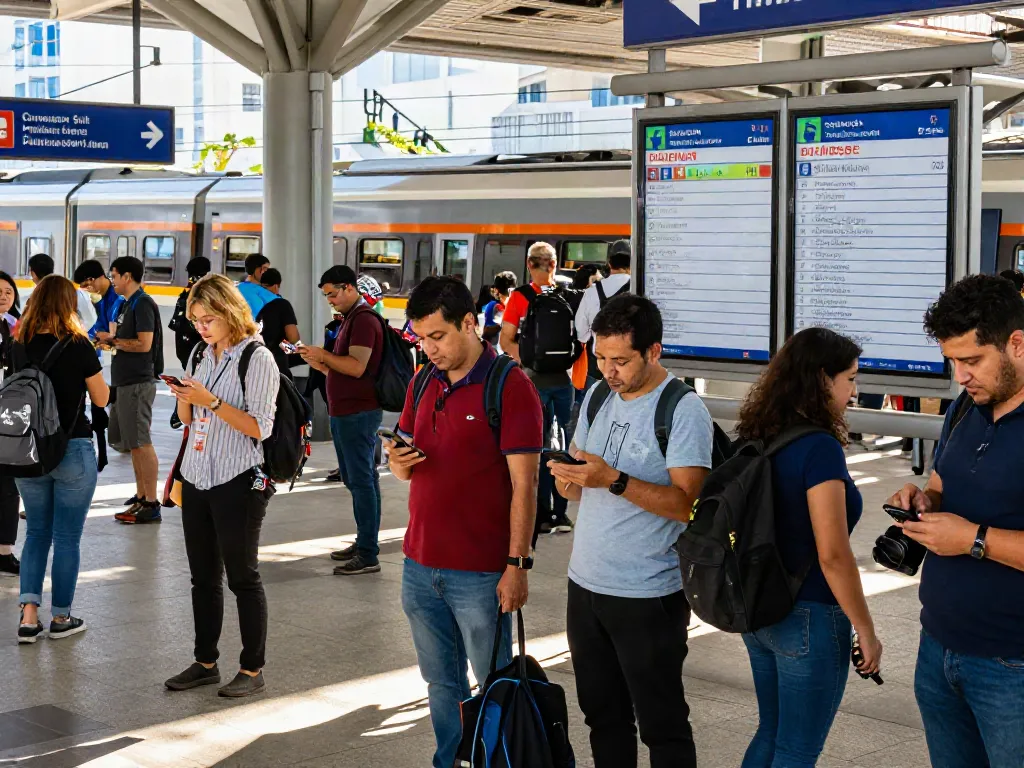
Understanding Train Strikes: Definition and Impact
Train strikes are organized work stoppages conducted by railway employees, often arising from disputes between unions and management over issues such as pay, working conditions, and job security. These strikes can significantly disrupt public transport, affecting daily commuters, travelers, and the overall economy. As the landscape of labor relations evolves, it is imperative for passengers to stay informed about train strikes and the potential impacts on their travel plans. Understanding the nature of these strikes and the legal frameworks surrounding them is essential for effective travel planning.
What Are Train Strikes?
Train strikes are typically characterized by a collective refusal of workers to perform their jobs, leading to the suspension of services. These actions are usually the result of prolonged negotiations with train operators or government agencies failing to meet the demands of the workforce. The various types of train strikes can range from full shutdowns to partial services, depending on the intensity and scale of the labor dispute.
The Legal Framework Governing Train Strikes
In many countries, labor laws dictate how and when strikes can occur, including requirements for advance notice and specific procedures that must be followed. For instance, in Italy, strikes in the transport sector must be announced at least ten days in advance, allowing passengers and operators to prepare accordingly. This legal structure is crucial in balancing the rights of workers to protest and the public's need for reliable transport services.
Impacts of Train Strikes on Commuters
The impact of train strikes extends beyond immediate inconvenience. Commuters may face increased travel times, higher costs due to alternative transport options, and disruption to their daily routines. Moreover, prolonged or frequent strikes can lead to a decline in the public's trust in rail services, compelling passengers to seek alternative modes of transportation altogether.
Preparing for Train Strikes: Essential Tips
Preparation is key when it comes to navigating the potential disruptions caused by train strikes. By being informed and proactive, travelers can mitigate the effects of these strikes on their journeys and maintain flexibility in their planning.
How to Stay Informed About Upcoming Train Strikes
One of the best ways to prepare for potential train strikes is by utilizing reliable sources of information. Rail companies often release updates through their official websites, social media channels, and customer service hotlines. Additionally, news outlets cover major strikes extensively. Signing up for alerts or notifications can also keep you informed about upcoming events that may affect your travel.
Utilizing Technology: Apps and Notifications
Technology plays a vital role in helping commuters stay updated about train strikes. Applications like "C'è Sciopero" provide real-time information on strikes across various transport services, including trains, buses, and metros. By selecting your specific regions and transport categories, you can receive push notifications directly to your mobile device, ensuring that you remain informed.
Strategies for Travel Planning During Strikes
Planning ahead is essential during strike periods. Consider the following strategies:
- Alternative Routes: Identify alternative modes of transportation, such as buses or car services, that may be less affected by strikes.
- Flexible Travel Dates: If possible, plan your travel on days that are historically less likely to experience strikes.
- Advance Bookings: Consider booking travel in advance when strikes are announced to secure your travel plans.
Managing Travel Disruptions: What to Expect
Despite the best preparation, train strikes can still lead to unexpected travel disruptions. Understanding what to expect during these events can help you navigate the situation more effectively.
Common Types of Train Strikes and Their Duration
Train strikes can vary in duration and scope, ranging from short, spontaneous walkouts to longer planned strikes by unions. Common types include general strikes that affect multiple transport networks and localized strikes impacting specific routes or services.
How Train Operators Respond to Strikes
Train operators have strategies in place to manage disruption caused by strikes. This may include running a limited service, arranging alternative transportation options, or providing refunds for affected passengers. Communication is crucial during these times to inform passengers about the measures being taken.
Rights and Compensation: What Passengers Need to Know
Passengers have rights during train strikes, including the ability to seek compensation for canceled services. Many rail companies have specific policies outlining how they handle disruptions, including refund processes and alternate travel arrangements. Familiarizing yourself with these policies can help you know what to expect in case a strike affects your journey.
The Future of Train Strikes: Trends and Predictions
The landscape of labor relations and public transport is ever-evolving, and the future of train strikes will likely be shaped by several factors, including technological advancements and shifts in labor relations.
Shift Towards Digital Solutions in Strike Notifications
As technology continues to advance, digital solutions for notifying passengers about strikes are becoming more sophisticated. Expect more rail operators to implement apps and online platforms that provide real-time updates, allowing travelers to stay informed and adjust their plans accordingly.
Predictions for Train Strikes in 2026
As we look towards 2026, it is expected that the frequency and impact of train strikes will be influenced by several factors, including economic conditions, labor negotiations, and public sentiment regarding transport services. The balance between employee rights and service reliability will remain a critical issue for rail operators.
Advocacy and Changes in the Transport Industry
Advocacy for both workers’ rights and passenger interests will shape how transport industries address strike situations moving forward. Increased dialogue and collaboration between unions, management, and the government may help mitigate the frequency and severity of strikes, leading to more stable services.
Frequently Asked Questions About Train Strikes
How are train strikes announced and communicated?
Train strikes are typically announced through official communications from railway companies, including press releases, website postings, and social media updates. Unions also play a vital role in disseminating information to ensure that workers and passengers are aware of impending actions.
What legal rights do passengers have during train strikes?
Passengers have legal rights, which vary by region but typically include entitlements to refunds for canceled services, access to alternate transport, and timely notifications about service disruptions. Understanding these rights can empower passengers during strikes.
Can I get a refund if my train is cancelled due to a strike?
Yes, in most cases, if your train is canceled due to a strike, you may be eligible for a full refund or compensation under specific conditions set by the rail operator. It’s advisable to check the operator’s policies for details.
Are there unique considerations for long-distance travel during strikes?
Long-distance travel can be particularly affected by strikes, often leading to more significant delays. Travelers should consider the possibility of longer wait times, alternative arrangements, and the potential for overnight disruptions.
How can I plan ahead for possible strikes in my area?
To plan ahead for potential train strikes, subscribe to notifications from relevant transport apps, follow local news, and stay informed about the negotiation status between unions and train operators so you can adjust your travel plans proactively.