Understanding Tree House Life: A Comprehensive Overview
Tree house life is an enchanting concept that captures the imagination of both young and old. Living among the trees offers a unique lifestyle that connects individuals with nature and promotes a sense of adventure. Tree houses are not just whimsical playgrounds; they can be transformed into luxurious abodes that boast modern amenities and eco-friendly designs. As the trend of outdoor living spaces grows, many are exploring the possibilities that come with embracing life in the trees. For those interested in ideas, designs, and the nuances of tree house living, tree house life provides comprehensive insights into creating these unique dwellings.
What Is Tree House Life?
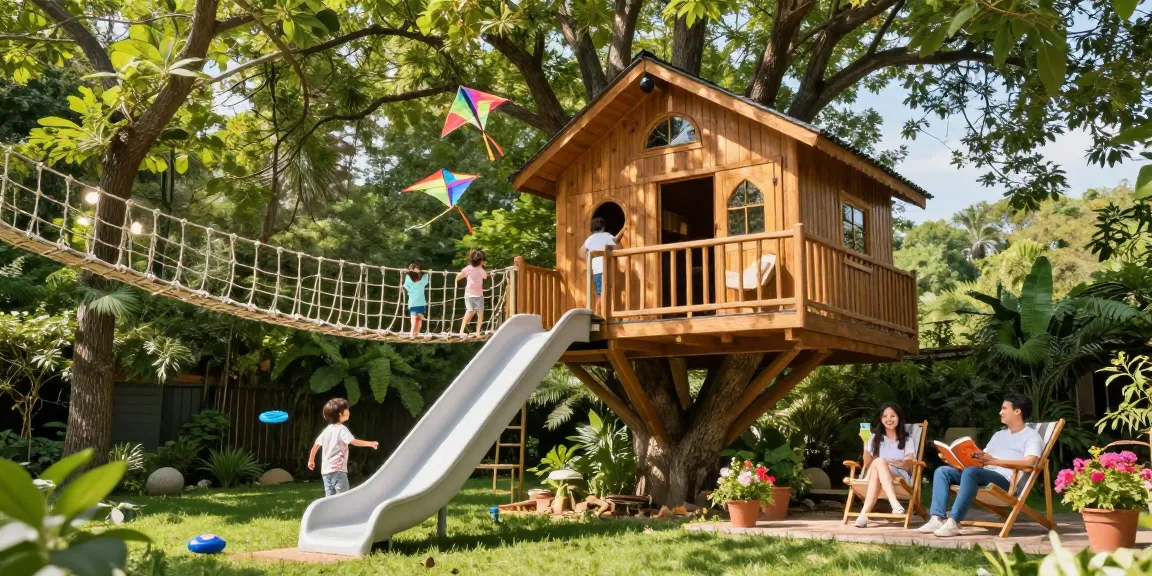
Tree house life refers to the lifestyle associated with residing in a house elevated among the branches of trees. These unique structures are often built in scenic locations, allowing residents to enjoy stunning views, fresh air, and a closer connection to nature. Depending on design choices, tree houses can range from simple wooden platforms to elaborate constructions equipped with all the modern comforts. The appeal of tree house living lies in its blend of adventure, creativity, and sustainability.
The Benefits of Living Amongst the Trees
There are numerous advantages to tree house living, including:
- Connection to Nature: Living in a tree house fosters a deep connection to the natural environment, promoting mental well-being and relaxation.
- Privacy: Elevated living spaces often provide more privacy than traditional homes, allowing for a peaceful retreat.
- Unique Experiences: Tree houses offer distinctive experiences, such as watching wildlife up close and enjoying the sounds of nature.
- Sustainability: Many tree houses are designed with eco-friendly practices in mind, often using sustainable materials and incorporating green technologies.
Common Misconceptions About Tree House Life
Despite its allure, there are several misconceptions surrounding tree house life:
- Only for Kids: While tree houses are often associated with childhood, many adults are now embracing this lifestyle, crafting sophisticated spaces for either permanent living or getaways.
- Difficult to Construct: While building a tree house can be complex, with the right planning and resources, it is achievable for many aspiring builders.
- Unsafe: With proper construction techniques and adherence to safety regulations, tree houses can be incredibly safe.
Designing Your Ideal Tree House: Key Considerations
Creating the perfect tree house requires thoughtful planning and design choices that align with both personal preferences and environmental considerations.
Choosing the Right Location for Your Tree House
The location of your tree house is crucial to its functionality and enjoyment. Here are some tips for selecting the best spot:
- Tree Health: Choose sturdy, healthy trees that can support the weight of the structure.
- View: Select a location that offers desirable views, whether it’s a forest, lake, or mountain scenery.
- Sunlight and Shade: Consider the amount of sunlight the area receives, as well as the availability of shade during hot weather.
Materials and Safety Standards for Tree House Construction
When constructing a tree house, it's imperative to use durable materials that can withstand the elements. Some recommended materials include:
- Pressure-treated Wood: Resilient against rot and insects.
- Steel Fasteners: For secure connections and durability.
In addition to using quality materials, it’s vital to follow safety standards and building codes, ensuring that the tree house is safe for all occupants.
Incorporating Eco-Friendly Features in Your Design
Many tree house enthusiasts are prioritising sustainability. Incorporating eco-friendly features can enhance both the functionality and environmentally-conscious appeal of the structure. Consider these elements:
- Solar Panels: Harness renewable energy to power your tree house.
- Rainwater Collection: Implement systems to collect rainwater for use in bathrooms or gardens.
Planning for Safety: Essential Steps to Take
Safety is paramount in tree house living, necessitating a thorough examination of potential hazards and implementation of strict guidelines.
Identifying Risks: What to Watch Out For?
When planning your tree house, it’s essential to identify and mitigate risks such as:
- Structural Integrity: Regularly check for signs of wear or damage.
- Weather Conditions: Be aware of storms or adverse weather that may compromise safety.
Building Regulations and Compliance for Tree Houses
Before construction, check local building regulations and zoning laws to ensure compliance. Navigating these rules may involve:
- Seeking Permits: Some areas require permits for tree house construction, especially if used as a living space.
- Consulting Professionals: Engaging with architects or builders familiar with tree house construction can aid in adhering to regulations.
Maintenance Tips to Ensure Safety and Longevity
Regular maintenance is crucial to the longevity and safety of your tree house. Key maintenance tasks include:
- Routine Inspections: Check for loose boards, rusted hardware, or signs of pest infestation.
- Cleaning: Keep gutters clear and remove debris to prevent moisture build-up.
Creating a Community: Engaging with Other Tree House Enthusiasts
Engaging with fellow tree house enthusiasts can provide support, inspiration, and camaraderie. Here are ways to cultivate a community:
Finding Local Tree House Communities and Resources
Seek out local groups, clubs, or online forums dedicated to tree house living. These communities often share:
- Ideas and Inspiration: Exchange design concepts and tips.
- Resources: Access plans, tools, and local craftsmen.
Events and Workshops for Tree House Builders
Look for events or workshops focusing on tree house construction. Participating in these can enhance your skills and provide networking opportunities.
Sharing Your Tree House Journey on Social Media
Documenting your tree house journey can inspire others and connect you with like-minded individuals. Platforms such as Instagram and Pinterest are great for:
- Sharing Progress: Post updates on your build and solicit feedback.
- Learning from Others: Follow tree house builders for tips and design ideas.
Future Trends in Tree House Living: What’s Next?
The future of tree house living promises exciting innovations and trends that reflect ongoing shifts in lifestyle and sustainability.
Innovative Designs to Look Forward to in 2026
As technology and design evolve, we can anticipate innovative features in tree houses to include:
- Smart Home Integration: Advanced technologies for security, climate control, and convenience.
- Modular Designs: Flexible spaces that can adapt to changing needs.
Sustainability and Green Living in Tree House Life
The emphasis on sustainability in architecture is likely to continue influencing tree house designs. This may lead to:
- Biophilic Designs: Incorporating natural elements to create harmonious living spaces.
- Use of Reclaimed Materials: Reducing environmental impact by utilising salvaged resources.
Predictions for the Future of Outdoor Living Spaces
The trend towards outdoor living spaces is set to grow, encouraging unique designs that integrate seamlessly with the natural surroundings. Expect to see:
- Higher Demand for Tree Houses: As urban areas become denser, tree houses offer appealing alternatives for those seeking nature and tranquillity.
- More Customised Options: Personalisation in design will become increasingly accessible, ensuring that tree houses are tailored to individual lifestyles.
What are the costs involved in building a tree house?
The costs of building a tree house can vary greatly depending on factors such as size, materials, and complexity of design. Basic models can start from a few thousand pounds, while bespoke luxury tree houses could cost upwards of £50,000 or more.
Can you live in a tree house full time?
Absolutely! Tree houses can be designed for year-round living, complete with amenities such as heating, plumbing, and electrical systems.
How do you maintain a tree house?
Regular inspections, cleaning, and repairs are essential. Ensuring that the structure is weather-tight and free from pests will extend its longevity.
What materials are best for tree house construction?
Quality timber, metal fasteners, and sustainable materials are recommended for durability and safety.
Are tree houses safe for children?
Yes, when built correctly with safety measures in place, tree houses can be safe play environments for children.