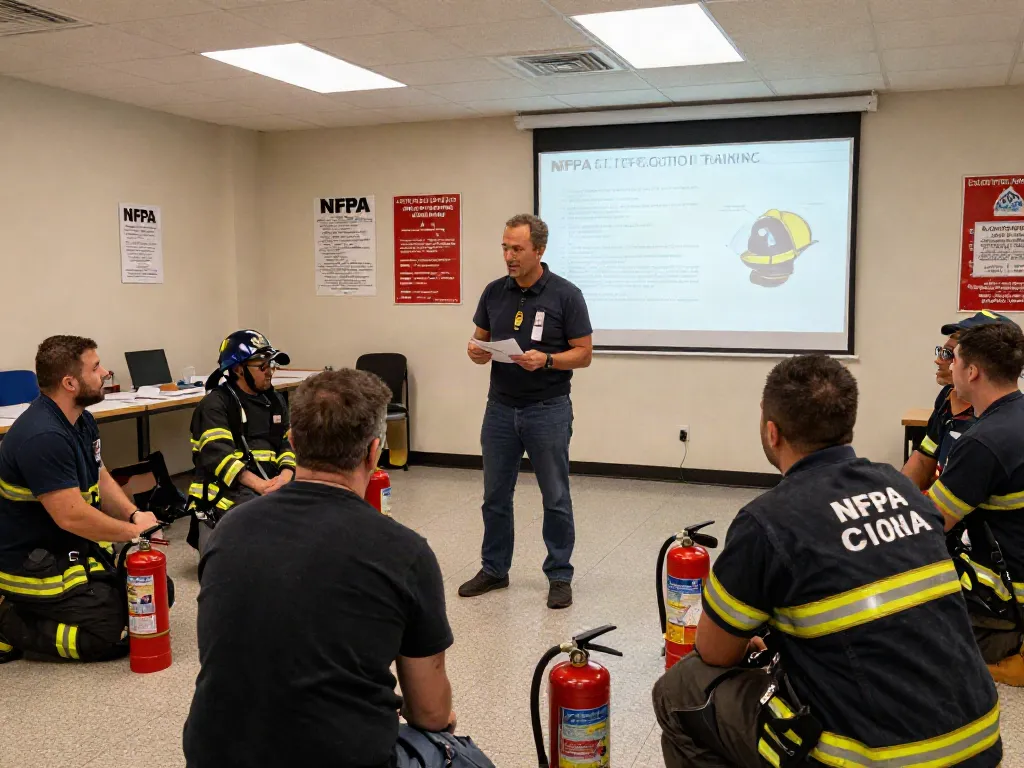
Understanding NFPA Certification Training
The National Fire Protection Association (NFPA) offers vital certification training that is essential for professionals in fire safety and emergency response industries. This training is backed by over 125 years of expertise in fire prevention, hazard management, and public safety. In an era where safety standards are paramount, the NFPA certification is more than just a credential; it is an assurance of knowledge that empowers professionals to effectively manage and mitigate risks in their organizations. When exploring options, NFPA Certification Training provides comprehensive insights into the methodologies and practices that can save lives and reduce property loss.
What is NFPA Certification Training?
NFPA Certification Training encompasses a range of courses designed to equip individuals with the knowledge needed to adhere to fire safety regulations and best practices. The training includes topics such as fire prevention, emergency response tactics, electrical safety, and building and life safety standards. Each course is meticulously crafted by industry experts to ensure that participants not only understand the theoretical aspects of fire safety but also can apply this knowledge in real-world scenarios.
Importance of NFPA Standards in Fire Safety
NFPA standards are recognized globally as benchmarks for fire safety and emergency preparedness. These standards are updated continuously based on the latest research and technological advancements, making them relevant and effective. Adhering to NFPA standards helps organizations minimize their risk exposure, creating safer environments for both employees and clients. Furthermore, compliance with NFPA standards is often required by law, making this training critical for professionals across various sectors.
Benefits of Becoming NFPA Certified
Obtaining NFPA certification offers numerous benefits, including:
- Enhanced Career Opportunities: NFPA certification is a recognized credential that can significantly enhance your employability and career prospects in fire safety management.
- Increased Knowledge and Skills: The rigorous training curriculum ensures that certified professionals are well-versed in the latest safety protocols and technologies.
- Credibility and Recognition: Being certified by a globally recognized body adds credibility to your professional qualifications, instilling trust in clients and employers alike.
- Networking Opportunities: NFPA training often provides access to a community of safety professionals, enabling valuable networking and collaboration opportunities.
Common Misconceptions About NFPA Certification Training
Despite the growing recognition of NFPA Certification Training, several misconceptions can deter prospective candidates from pursuing this valuable qualification.
Debunking Myths Surrounding NFPA Certification
One prevalent myth is that NFPA certification is only essential for those in direct fire service roles. In reality, professionals in areas such as construction, healthcare, and facilities management also benefit immensely from this training. Understanding fire codes and safety protocols is crucial in any industry that involves public safety or property management.
The Reality of NFPA Certification Costs
Another common misconception is that NFPA certification is prohibitively expensive. While the costs can vary depending on the course and provider, many organizations find that the investment pays off through reduced insurance premiums and fewer accidents. Additionally, Burraq Consulting offers flexible payment options and group training discounts, making it more accessible for businesses seeking to train multiple employees.
Understanding the Time Commitment for Training
Many individuals hesitate to enroll in NFPA certification courses due to perceived time constraints. While some courses require a significant time commitment, many are available in flexible formats, including on-demand online courses that allow participants to learn at their own pace. This flexibility means that even busy professionals can find an option that fits their schedule.
Preparing for NFPA Certification Training: Best Practices
Preparation is key to successfully achieving NFPA certification. Here are several best practices to consider:
Essential Pre-Training Steps for Success
Before enrolling in a course, potential candidates should assess their current knowledge levels and identify specific areas where they need improvement. Reviewing foundational materials related to fire safety can provide a solid grounding and enhance comprehension during formal training.
Choosing the Right NFPA Training Provider
Selecting an NFPA training provider is crucial. Look for an authorized provider like Burraq Consulting, which offers a comprehensive curriculum, experienced instructors, and a proven track record of successful training outcomes. Verify that the provider is recognized by the NFPA to ensure the certification received will be valid and respected.
Utilizing Resources and Study Materials Effectively
Make use of the study materials and resources available through your training provider. Engage in supplementary reading and practice quizzes, and participate in forums or study groups to deepen your understanding and retention of the course content.
Challenges Faced During NFPA Certification Training
While NFPA certification training provides valuable skills, candidates may face various challenges. Understanding these obstacles can help individuals navigate them more effectively.
Overcoming Learning Plateaus in Technical Training
Many trainees experience learning plateaus where progress seems to stall. To overcome this, it’s important to remain proactive. Engage with instructors, seek additional materials, and participate in study groups to revitalize your learning process.
Managing Training Schedules with Work Commitments
Balancing work and training can be challenging. Opt for flexible training options, such as online courses or evening sessions, to accommodate your work schedule. Discussing your training goals with your employer may also lead to support or resources to help manage both responsibilities.
Addressing Anxiety and Performance Pressure
Many candidates feel anxious about their performance in certification exams. Practice relaxation techniques such as deep breathing or mindfulness to help alleviate stress. Additionally, familiarize yourself with the exam format, which can help build confidence.
Future Trends in NFPA Certification Training
The landscape of NFPA certification training is continually evolving. Staying informed about emerging trends can enhance your educational journey.
Emerging Technologies in Fire Safety Training
Advancements in technology are also shaping NFPA certification training methods. Virtual reality (VR) and augmented reality (AR) are increasingly utilized to simulate real-life fire scenarios, providing trainees with immersive experiences that enhance their learning outcomes.
Expanding Online NFPA Certification Training Options
As digital education continues to grow, so do the options for online NFPA certification training. Providers are expanding their offerings to include comprehensive online programs that cover a wide range of topics, making it easier for professionals worldwide to access quality training.
Industry Demand for NFPA Certified Professionals in 2026 and Beyond
The demand for NFPA certified professionals is projected to rise significantly in various industries, including construction, healthcare, and environmental management. As safety regulations become more stringent, having a certification will not only be advantageous but essential for career advancement.
What Are the Recent Developments in NFPA Certification?
Recent updates to NFPA standards have introduced new competencies that reflect current industry challenges. Staying updated with these changes through continuous professional development and re-certification can ensure that professionals remain at the forefront of fire safety expertise.