Overview of the Manaslu Trek
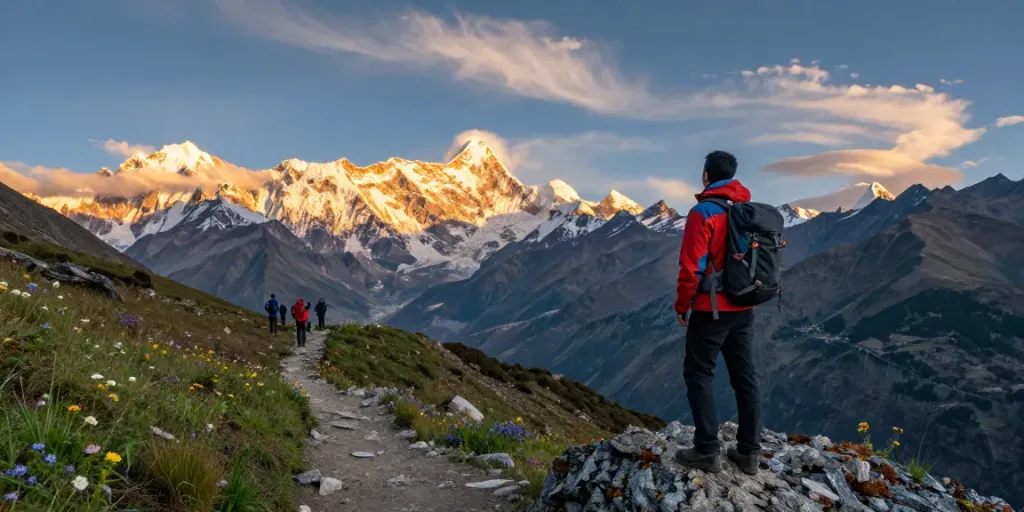
The Manaslu Trek is a captivating journey for adventure seekers, offering an exquisite blend of remote mountain terrain, intricate cultural experiences, and breathtaking landscapes. Located in the lesser-explored Gorkha region of Nepal, this trek circles the majestic Mount Manaslu, which stands as the eighth-highest peak in the world at 8,163 meters. Spanning approximately 15 days, the trek is known for its rich biodiversity, stunning mountain views, and serene Tibetan-influenced villages, making it a perfect choice for trekkers searching for an off-the-beaten-path adventure.
What is the Manaslu Trek?
The Manaslu Circuit Trek is a challenging yet rewarding trekking route that encompasses a variety of landscapes including lush valleys, alpine forests, and glacial streams. It provides trekkers with unique opportunities to witness traditional Tibetan culture, visit ancient monasteries, and experience the everyday life of the local Gurung and Tibetan communities. This trek not only demands good physical preparation but also offers immersive experiences in Nepal's rich cultural heritage.
Key Highlights of the Trek
- Stunning Views: The trek offers some of the best panoramic views of the Himalayas, especially from Larkya La Pass, where trekkers can witness multiple peaks including Manaslu, Himlung Himal, and Namjung.
- Cultural Encounters: Get acquainted with the native Gurung and Tibetan cultures through interactions with locals in traditional villages like Samagaon and Lho.
- Wildlife Watching: The Manaslu Conservation Area is home to diverse flora and fauna, including rare species such as snow leopards and Himalayan tahr.
- Less Crowded Trails: Compared to the more popular Annapurna Circuit, the Manaslu Circuit remains less crowded, allowing for a more tranquil trekking experience.
- Acclimatization Opportunities: The itinerary includes days dedicated to acclimatization, which is crucial for adjusting to the altitude effectively.
Typical Itinerary and Duration
The journey typically lasts for 15 days, with a well-structured itinerary that includes key stops at various elevations. Starting in Kathmandu, trekkers drive to Machha Khola, where the adventure begins. Major stops include Jagat, Deng, Namrung, Lho, Samagaon, Samdo, Dharmashala, and Bimthang before descending to Dharapani and returning to Kathmandu. Each day involves approximately 5-8 hours of trekking, with specific days allocated for acclimatization and exploration.
Preparing for the Manaslu Trek
Successfully completing the Manaslu Trek requires thoughtful preparation and essential gear. Below are aspects crucial for an enjoyable trekking experience.
Essential Gear and Packing List
It's vital to pack appropriate gear to tackle varying weather conditions and trail challenges. Essential items include:
- Trekking Boots: Invest in a sturdy, waterproof pair with good ankle support.
- Clothing Layers: Dress in layers to adapt to changing temperatures, including thermal undergarments, insulating jackets, and a waterproof outer layer.
- Sleeping Gear: A high-quality sleeping bag rated for low temperatures is recommended, along with an inflatable sleeping pad for comfort.
- First Aid Kit: Include basic medications, blister treatments, and altitude sickness remedies.
- Water Purification: Carry purification tablets or a filter to ensure safe drinking water throughout the trek.
Physical Preparation and Fitness Levels
Trekkers should engage in a fitness regimen that includes cardiovascular training, strength building, and endurance exercises. Activities like hiking, swimming, cycling, and running can significantly improve stamina. It's advisable to start training at least 6-8 weeks before the trek, with a focus on long-distance walking with a weighted backpack to simulate trekking conditions.
Understanding Trekking Permits and Regulations
The Manaslu Circuit requires several permits including the Manaslu Restricted Area Permit (MRAP), Manaslu Conservation Area Permit (MCAP), and Trekkers' Information Management System (TIMS) card. It’s essential to arrange these permits well before the trek, as only licensed trekking agencies can facilitate this process, ensuring compliance with Nepal’s trekking regulations.
Navigating the Trekking Route
The trekking route winds through diverse landscapes and offers engaging interactions with local cultures. Understanding the daily trekking itinerary is crucial for both planning and mental preparation.
Day-by-Day Breakdown of the Trek
The typical Manaslu Circuit itinerary involves approximately 15 days of trekking, where each day is purposefully designed to gradually increase altitude to aid acclimatization. Here’s a brief overview of key days:
- Day 1: Arrival in Kathmandu and overnight stay.
- Day 2: Drive from Kathmandu to Machha Khola, setting the stage for the trek.
- Day 3-5: Trekking through Jagat and Deng, witnessing traditional village life.
- Day 6-9: Climbing to Lho and Samagaon with opportunities for acclimatization hikes to Birendra Lake and the Manaslu Base Camp.
- Day 10: A challenging trek to Dharmashala and a steep ascent to Larkya La Pass.
- Day 11-15: Descending from Bhimthang to Dharapani and driving back to Kathmandu, concluding the majestic journey.
Key Attractions Along the Route
Throughout the trek, several attractions stand out, including:
- Birendra Lake: A glacial lake providing stunning reflections of surrounding peaks.
- Larkya La Pass: The highest point of the trek, offering unrivaled panoramas.
- Ancient Monasteries: Experience the spiritual atmosphere in monasteries like Pungyen Gompa.
- Local Villages: Interact with locals in villages such as Lho and Samagaon to gain cultural insights.
Safety Tips for the Journey
Safety on the Manaslu Circuit Trek is paramount. Here are some essential safety tips:
- Acclimatization: Take acclimatization days seriously to prevent altitude sickness. Monitor your condition and communicate any symptoms to your guide.
- Hydration: Stay well-hydrated, drinking ample water daily to combat altitude effects.
- Travel Insurance: Ensure you have comprehensive travel insurance, covering emergency evacuations and medical expenses.
- Guided Tours: Always trek with a licensed guide who knows the region and its challenges.
Experiencing Local Culture and Nature
The Manaslu Circuit is not just about trekking; it's a journey into the heart of Nepal's rich cultural and natural tapestry.
Interaction with Local Communities
Engaging with local communities enhances the trekking experience. Trekkers have opportunities to learn about traditional customs, local cuisine, and the daily lives of the inhabitants. Major interactions occur in villages like Samagaon and Lho, where you can try local dishes, participate in festivals, and witness ages-old traditions.
Wildlife and Natural Beauty of the Region
The Manaslu region is a haven for biodiversity. The Manaslu Conservation Area houses rare species and diverse ecosystems. During the trek, keep an eye out for Himalayan tahr, blue sheep, and majestic eagles soaring in the sky. The diverse flora—from rhododendron forests to alpine meadows—enriches the trekking environment, making every step a visual delight.
Environmental Considerations and Sustainability
As trekking becomes more popular, it’s crucial to adopt sustainable practices to protect the ecosystem. Ensure that you follow the Leave No Trace principles, respect local customs, and minimize your environmental impact. Supporting local economies by purchasing food and crafts helps ensure that tourism benefits the communities you visit.
Post-Trek Tips and Recommendations
After completing the Manaslu Trek, there are several ways to enhance your journey and enjoy more of Nepal.
Returning to Kathmandu: What to Expect
The drive back to Kathmandu typically takes around 10-12 hours. It’s an opportunity to relax and reflect on the incredible experiences gathered during the trek. Upon return, enjoy a well-deserved rest and perhaps indulge in some pampering at a local spa or enjoy traditional Nepali cuisine at popular restaurants in Kathmandu.
Extending Your Trip with Additional Activities
If time permits, consider extending your trip with additional activities. Popular options include exploring the vibrant city of Pokhara, going on a jungle safari in Chitwan National Park, or experiencing a cultural tour in the Kathmandu Valley. Each of these experiences offers a distinctive glimpse into Nepal’s diverse cultural and natural landscapes.
Frequently Asked Questions about the Manaslu Trek
1. Is the Manaslu Trek suitable for beginners? While the trek is challenging, beginners with good physical fitness and determination can successfully complete it with proper acclimatization and pacing.
2. What is the best time to trek the Manaslu Circuit? The ideal trekking seasons are spring (March to May) and autumn (September to November) when weather conditions are most favorable.
3. Do I need a guide for the trek? Yes, a licensed guide is mandatory due to the trekking region being a restricted area.
4. What should I pack for the trek? Essential items include trekking boots, warm clothing layers, a sleeping bag, a water purification system, and a first aid kit.
5. Are there ATM facilities along the trek? No, it is advisable to carry sufficient cash, as ATM facilities are limited to Kathmandu and major towns.
The Manaslu Circuit Trek remains an unparalleled adventure, combining arduous trekking with rich cultural experiences. With careful preparation and a sense of exploration, trekkers will find themselves immersed in the serene beauty of the Himalayas, creating unforgettable memories along the way.