Understanding the Basics of Air-Cooled Engine Mechanics
Air-cooled engine mechanics represent a unique segment of automotive engineering, particularly favored in classic car circles for their simplicity and reliability. With vehicles like the Volkswagen Beetle leading the way, understanding how these engines function is crucial for enthusiasts and older car owners. Air-cooled engines do not rely on a liquid cooling system, making them lighter and often simpler to maintain, but this design also comes with its own set of challenges that every owner should be aware of. When exploring options, http://www.aircooledapps.com provides comprehensive insights into maintaining and restoring these classic vehicles.
What is an Air-Cooled Engine?
As the name implies, an air-cooled engine uses air to dissipate heat generated during combustion, rather than relying on water or a coolant system. This is achieved through a series of fins and ducts designed to maximize airflow around the engine. The air-cooled engine finds its heritage rooted in older engineering practices, where simplicity and weight reduction were paramount. This type of engine is especially common in certain vintage cars and motorcycles, with the most notable modern example being the Volkswagen air-cooled lineup.
Common Components and Their Functions
Key components of an air-cooled engine include the cylinder heads, fan shrouds, and the exhaust system. Each of these plays a specific role:
- Cylinder Heads: These contain combustion chambers and are equipped with cooling fins to increase surface area for heat dissipation.
- Fan Shrouds: They direct airflow from the engine cooling fan towards the cylinders, ensuring they remain within optimal temperature ranges.
- Exhaust System: Efficient design helps expel hot gases while aiding in the engine's cooling process.
Challenges Specific to Air-Cooled Vehicles
While air-cooled engines are celebrated for their simplicity, they face unique challenges. For instance, overheating can be a significant risk, especially in hot climates or during prolonged stops. Moreover, without a liquid coolant, maintenance can be more critical, as any obstruction in airflow can lead to serious engine damage. Understanding these challenges is essential for the longevity of your vehicle.
Essential Tools for Maintaining Your Classic Volkswagen
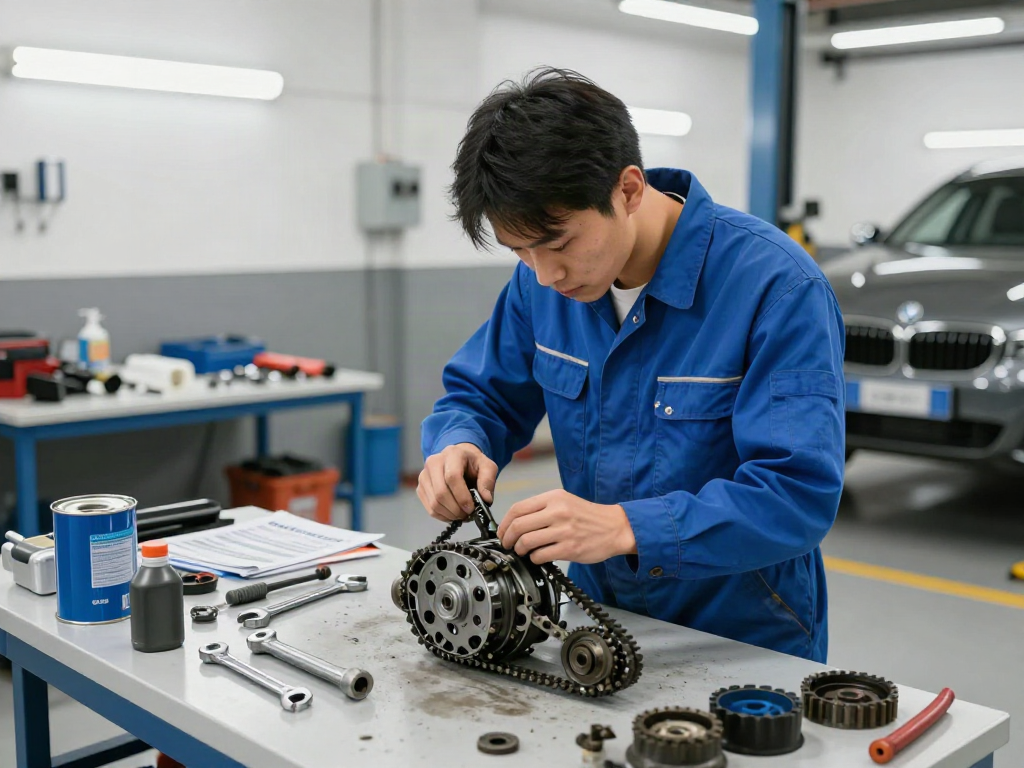
Proper maintenance of classic Volkswagens requires the right tools to ensure longevity and performance. Not only does having the right equipment make repairs easier, but it can also enhance safety during any maintenance tasks. Here are some essential tools every air-cooled vehicle owner should consider:
Must-Have Tools for DIY Repairs
Some must-have tools include a solid set of wrenches and sockets, a torque wrench for precision, and various screwdrivers (both Phillips and flathead). A reliable jack and stands are essential for safely lifting the vehicle. Additionally, having a multimeter can help diagnose electrical issues effectively.
Safety Gear and Best Practices
No maintenance task should start without the proper safety gear. At minimum, goggles, gloves, and a sturdy pair of shoes are necessary to protect you from injuries. Always ensure that your work area is well-lit and organized to prevent accidents, and don’t forget to read the vehicle’s manual to understand specific safety protocols associated with your classic Volkswagen.
Organizing Your Workspace for Efficiency
Keeping your workspace organized can significantly enhance your efficiency while working on your vehicle. Utilize toolboxes and bins to categorize tools and spare parts. Consider a magnetic board for easy access to frequently used tools and ensuring that everything has its designated place will save you time and minimize frustration when you’re in the middle of repairs.
Best Practices for Routine Maintenance
Regular maintenance is key to ensuring that your classic VW air-cooled vehicle remains in stellar condition. Implementing a routine maintenance schedule can help catch potential issues before they escalate into costly repairs.
Changing Oil and Fluids Safely
For air-cooled engines, oil plays a crucial role in lubrication and heat dissipation. Change the oil regularly, using the recommended viscosity, and replace oil filters each time to prevent contamination. It's equally important to check and maintain other fluids like brake and transmission fluids, as they can degrade over time.
Tuning Up Your Engine: Steps & Techniques
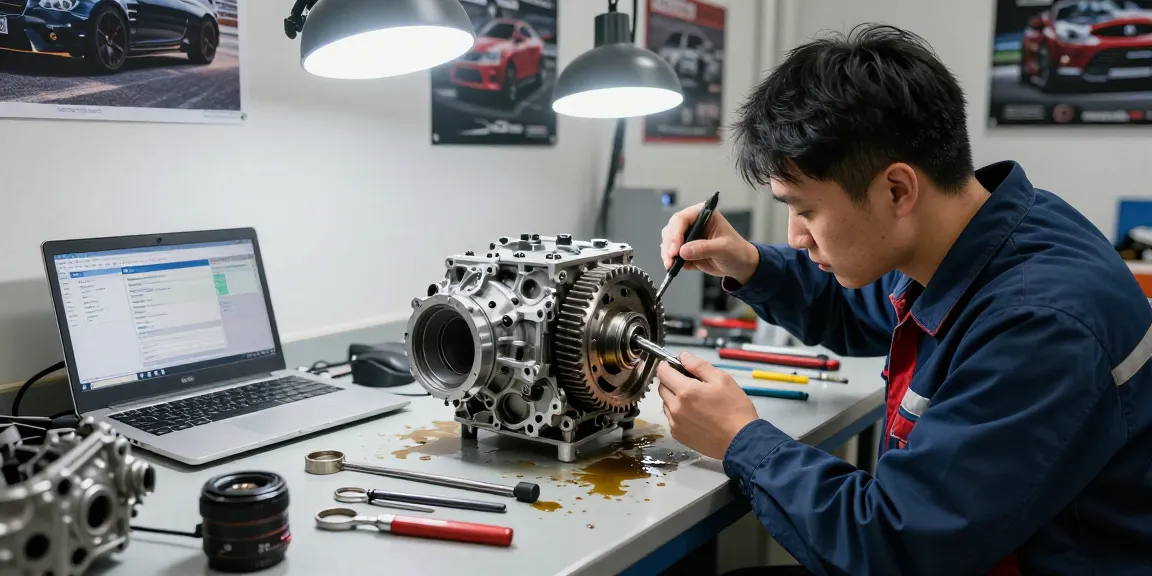
A regular tune-up can dramatically improve engine performance. This involves checking ignition timing, cleaning the spark plugs, and inspecting the air filter. Each of these actions contributes to optimal engine efficiency and longevity. Document these maintenance steps to track your vehicle's performance over time.
Keeping Your Vehicle Clean and Protected
Environmental factors can wreak havoc on classic cars. Regular washes and waxing can help protect the paint and finish. Inside, maintaining cleanliness also prevents dust and debris from entering critical engine components, which can adversely affect performance.
Diagnosing Common Issues in Air-Cooled Vehicles
Being able to diagnose issues early can save you time and money. Classic cars are more susceptible to specific problems due to age and wear. Here’s how to spot potential issues and take action.
Signs of Engine Trouble to Look Out For
Listen for unusual noises, such as knocking or tapping sounds, which could indicate internal damage. Additionally, keep an eye on the temperature gauge; if it's running hotter than normal, it could signify cooling issues. Smell is another indicator—any burning smell is a cause for immediate investigation.
How to Troubleshoot Electrical Problems
Electrical issues can range from faulty lights to complete electrical failures. Start with the battery and connections, as poor contact points can often be the culprit. A multimeter can be invaluable in diagnosing electrical faults by checking voltage and continuity across circuits.
Case Studies: Common Issues and Solutions
For example, an owner reported persistent overheating in their VW Beetle. After checking the fan shroud and repairing it, airflow improved significantly, solving the overheating problem. Another common issue involves ignition failure due to worn-out spark plugs. Regular inspections and timely replacements can prevent these frustrations.
Future Trends in Classic Vehicle Maintenance
As we look toward 2026 and beyond, it's important to stay updated on emerging technologies that may affect classic vehicle maintenance.
Emerging Technologies for Air-Cooled Maintenance
From diagnostic apps to digital service reminders, the automotive industry is embracing technology to assist in vehicle maintenance. Innovations like diagnostic scanners that connect to your smartphone can help troubleshoot issues more efficiently than ever. Keep an eye on these advancements to enhance your restoration and maintenance efforts.
Building a Community: Online Resources and Forums
Engagement with fellow enthusiasts can provide support and knowledge sharing that is invaluable. Online forums and platforms dedicated to air-cooled vehicles are excellent resources. You can share experiences, find troubleshooting tips, and even locate rare parts for your restoration projects.
Conclusion: The Joy of Classic Car Ownership in 2026
Owning a classic air-cooled vehicle is a rewarding experience that fosters a deep connection to automotive history. By understanding the mechanics, embracing best practices in maintenance, and leveraging community resources, you can keep your vehicle in top shape for years to come. Whether you’re a seasoned enthusiast or a new owner, the world of air-cooled engines offers a delightful journey and a thriving community ready to welcome you.
What unique features should I know about classic air-cooled vehicles?
Classic air-cooled vehicles are known for their distinctive simplicity, lightweight design, and unique engine sound. These features contribute to their charm and appeal in the classic car community.
How can I find spare parts for my vintage Volkswagen?
Many online retailers specialize in classic Volkswagen parts, and local swap meets often have vendors selling hard-to-find items. Engaging with online forums may also lead to tips and recommendations from fellow enthusiasts.
What are the most common maintenance issues with air-cooled engines?
Common issues include overheating, oil leaks, and electrical problems. Regular inspections can help identify these issues before they escalate, ensuring your vehicle remains reliable.
Are there specific tools recommended for beginners?
Essential tools for beginners include basic hand tools, a repair manual for your specific model, and safety gear. As you gain experience, you can expand your toolkit to include more specialized equipment.
How can I join the community of air-cooled vehicle enthusiasts?
Joining online forums, local clubs, and attending classic car shows are great ways to meet other enthusiasts. Engaging with social media groups dedicated to air-cooled vehicles can also help you connect with like-minded individuals.