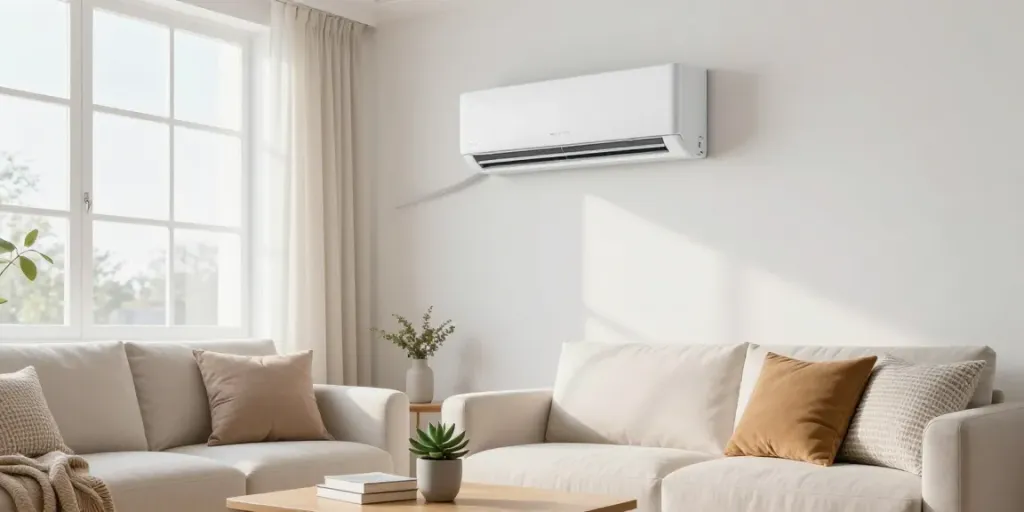
Understanding Mini Split Air Conditioners
In today’s climate-controlled world, mini split air conditioners have emerged as the go-to solution for efficient heating and cooling in residential and commercial spaces. These systems offer an effective means of maintaining comfort in areas lacking ductwork, providing both flexibility and energy efficiency. As technology advances, the capabilities and accessibility of mini split systems continue to evolve, making them a popular choice among homeowners and businesses alike.
What is a Mini Split System?
A mini split system is a type of ductless HVAC system designed to provide localized heating and cooling. Unlike traditional air conditioning systems that rely on a network of ductwork to circulate conditioned air, mini splits consist of two primary components: an outdoor compressor or condenser and one or more indoor air handling units. This configuration allows for greater control over individual room temperatures, making them ideal for spaces where ductwork installation is impractical, such as older homes, remodels, or additions.
Key Components of Mini Split Systems
Understanding the components of a mini split system is crucial for realizing its functionality. The main parts include:
- Outdoor Unit: The compressor and condenser are housed in this unit, which is responsible for expelling heat from the indoor air.
- Indoor Units: These air handlers are mounted on walls or ceilings and provide cool or warm air directly into the living space. They operate quietly and can be controlled independently.
- Refrigerant Lines: These copper lines connect the indoor and outdoor units and carry refrigerant to transfer heat.
- Remote Control: Most mini split systems come with a remote control, allowing for convenient temperature adjustments without having to physically interact with the unit.
Benefits of Using Mini Splits for Comfort
Mini split systems offer numerous advantages:
- Energy Efficiency: These systems typically have higher Seasonal Energy Efficiency Ratios (SEER) compared to conventional systems, leading to lower energy bills.
- Zone Control: Mini splits allow users to heat or cool specific areas of their home as needed, enhancing comfort and efficiency.
- Easy Installation: Without the need for ductwork, mini splits can be installed faster and with less disruption to your space.
- Improved Air Quality: As ductless systems, mini splits reduce dust and allergens that can accumulate in ductwork, contributing to better indoor air quality.
Choosing the Right Mini Split for Your Space
With a variety of options available, selecting the right mini split system for your needs requires careful consideration of several factors. Understanding these will ensure you make an informed decision that best suits your space.
Factors to Consider in Selection
When choosing a mini split system, consider the following:
- Cooling and Heating Capacity: Measure the square footage of the area to be conditioned and select a system with appropriate BTUs (British Thermal Units) for effective temperature control.
- Energy Efficiency Ratings: Look for models with high SEER ratings, which indicate better energy performance.
- Indoor Unit Design: Choose a design that complements your interior aesthetics, as units can be wall-mounted, ceiling-mounted, or floor-mounted.
- Noise Levels: Some mini splits operate more quietly than others, so it’s essential to check the decibel ratings if noise is a concern.
Comparing Brands and Models
When comparing brands and models, it’s important to research and read customer reviews. Some of the most reputable brands in the industry include:
- Mitsubishi Electric: Known for their high efficiency and reliability.
- Fujitsu: Offers innovative designs and user-friendly controls.
- Daikin: Renowned for their advanced technology and wide range of options.
Cost Estimates for Installation and Units
The cost of a mini split system can vary widely based on factors like brand, model, and installation complexity. On average, homeowners can expect to pay between $2,000 and $5,000 for both the unit and installation. Factors influencing the price include:
- The number of indoor units required
- Additional installation requirements, such as electrical upgrades or extensive refrigerant line installation
- Regional differences in labor costs
Installation Tips for Mini Split Systems
Installing a mini split system can be a straightforward process, but there are important considerations to ensure optimal performance and efficiency.
Preparing Your Space for Installation
Before installation, ensure that:
- The installation location is clear of obstructions for both indoor and outdoor units.
- The area has adequate electrical supply and meets local building codes.
- Wall mounts are secure for indoor units and that outdoor units are placed in a well-ventilated location.
Common Installation Mistakes to Avoid
To prevent issues with your mini split system, avoid these common mistakes:
- Ignoring manufacturer guidelines for mounting heights and locations.
- Failing to insulate refrigerant lines, which can lead to energy loss.
- Neglecting to seal holes where lines pass through walls, allowing for air leaks.
Professional vs. DIY Installation: Pros and Cons
Deciding between professional installation and a DIY approach comes with its own set of advantages and drawbacks:
- Professional Installation: Guarantees compliance with safety standards and codes, providing peace of mind. Professionals can handle complex setups efficiently.
- DIY Installation: Can save money on labor costs; however, it requires a good understanding of electrical work and HVAC systems. Mistakes can lead to costly repairs and inefficiencies.
Maintenance and Upkeep for Mini Splits
Ensuring your mini split system operates efficiently over time requires regular maintenance and attention to potential issues.
Regular Maintenance Tasks to Perform
Basic maintenance tasks that enhance longevity and performance include:
- Cleaning or replacing air filters every 1-3 months to ensure optimal airflow and efficiency.
- Inspecting the outdoor unit for debris and ensuring it is clear from obstructions.
- Scheduling annual professional maintenance checks to ensure all components are functioning correctly.
Troubleshooting Common Issues
Common problems with mini splits can often be resolved with simple troubleshooting:
- If the unit isn’t cooling properly, check the air filters and refrigerant levels.
- Strange noises may indicate debris in the fan or mechanical issues requiring professional attention.
- If the outdoor unit freezes, ensure there are no obstructions and that the refrigerant levels are adequate.
Maximizing Efficiency and Longevity of Your System
To maximize the efficiency and lifespan of your mini split system:
- Utilize programmable thermostats or smart controls to optimize usage based on occupancy.
- Consider zoning systems for larger homes to prevent overworking the system.
- Keep indoor units at a consistent temperature to reduce strain on the compressor.
Future Trends in Mini Split Technology (2026 and Beyond)
As the HVAC industry continues to evolve, so does the technology surrounding mini split systems. Here are some anticipated trends:
Innovations in Energy Efficiency
In response to growing environmental concerns, manufacturers are developing systems with even higher energy efficiency ratings, incorporating advanced technologies like inverter-driven compressors that adjust power based on demand.
Smart Technology Integration
Smart mini split systems are becoming increasingly common, allowing homeowners to control temperatures via smartphone applications and integrate with home automation systems for seamless operation.
Predictions for Mini Split Market Growth
The mini split market is expected to continue expanding, driven by rising demand for energy-efficient HVAC solutions and the increasing trend of home renovations. As more consumers recognize the benefits, the adoption rate is likely to increase significantly.
What are the disadvantages of a mini split?
While mini splits have numerous advantages, some disadvantages include:
- Higher upfront costs compared to traditional systems.
- Potential aesthetic concerns with visible indoor units.
- Maintaining multiple units can require more effort for large homes.
Do mini splits run up the electric bill?
Mini splits can be energy-efficient, and if used correctly, they should not significantly increase electric bills. However, their effectiveness can be diminished if not properly maintained or sized for the space.
What is the typical cost of installing a mini split system?
As mentioned earlier, installation costs can range from $2,000 to $5,000 on average, depending on the complexity of the installation and the specific model chosen. It’s important to acquire multiple estimates to ensure a fair price.